Home

Local vs Nationwide Moving Home Services: Which One Fits Your Home Best?

When it’s time to move house, one of the first big decisions you’ll face is choosing the type of moving service that suits you best. Should you go with a local company that knows your area inside out, or a nationwide provider with a big fleet and broad coverage? Both options can get the job done, but they offer very different experiences. Understanding those differences can help you choose a service that matches your home, your schedule, and your stress tolerance.

The Appeal of Local Moving Services

Local movers often shine when it comes to personal service and flexibility. Because they usually operate within a smaller area, they tend to have strong knowledge of neighbourhoods, traffic patterns, and access issues. Someone booking a man and van for hire in Lewisham, for example, benefits from drivers who understand local parking restrictions and busy routes. That familiarity can save time on moving day and reduce the chance of frustrating delays, especially in densely populated areas.

Cost Differences and What You’re Really Paying For

Pricing can vary significantly between local and nationwide movers, and the cheapest option isn’t always the best value. Local services may offer more competitive rates for short-distance moves and simpler jobs, while nationwide companies often bundle services into larger packages. It’s important to look beyond the headline price and consider what’s included, such as packing help, insurance, or storage. Sometimes paying slightly more upfront can save you money—and stress—later on.

Nationwide Movers and Their Big-Picture Strengths

Nationwide moving services are built for scale. They’re often better equipped for long-distance relocations, complex schedules, or moves involving large households. With bigger teams and extensive fleets, they can handle high-volume moves and offer structured processes that work well for people relocating across regions. If you’re moving far from your current home or coordinating a move with strict deadlines, that level of organisation can be reassuring.

Flexibility Versus Formality

One key difference between local and nationwide movers is how flexible they can be. Local companies are often more willing to adapt to last-minute changes or specific requests, whether that’s adjusting timings or handling unusual items. Nationwide services, on the other hand, usually follow more standardised procedures. That structure can be helpful for clarity, but it may feel restrictive if your move doesn’t fit neatly into a template.

Communication and Customer Experience

How a moving company communicates can shape your entire experience. Local movers typically offer direct contact with the people handling your move, which can feel more reassuring and personal. Nationwide providers may rely on call centres or automated systems, which can be efficient but less personal. Think about how important it is for you to have quick, direct answers when questions or concerns arise.

Choosing between local and nationwide moving home services isn’t about which option is better overall—it’s about which one fits your situation. Local movers often excel in personal service, area knowledge, and flexibility, while nationwide companies bring structure, scale, and long-distance expertise. By considering the size of your move, your budget, and how much hands-on support you want, you can make a choice that turns moving day into a smoother, more confident step toward your next home.…


Home

From Packing Tape to Peace of Mind: How Moving Home Services Actually Simplify Relocation

Moving house is often painted as an exciting new chapter, but anyone who’s done it knows the reality can feel far less glamorous. Between half-packed boxes, missing chargers, and the creeping fear that something valuable might break, relocation can quickly become overwhelming. That’s where professional moving home services change the game. Far from just shifting boxes from one place to another, they streamline the entire process and give you something priceless during a move: peace of mind.

The Real Stress Behind Moving Day

Most moving stress comes from trying to juggle too many responsibilities at once. Organising transport, packing fragile items, lifting heavy furniture, and sticking to tight timelines can feel like a full-time job. For people arranging home removals in Islington, this pressure is often magnified by narrow streets, parking restrictions, and busy schedules that leave little room for error. A professional service absorbs much of that stress by managing logistics you may not even realise are causing anxiety.

More Than Boxes: What Moving Services Really Do

It’s easy to assume movers simply load and unload your belongings, but the reality is far more involved. Many services help plan the move from start to finish, advising on packing strategies, providing materials, and creating a clear timeline. This structure removes guesswork and replaces chaos with clarity. When every step is mapped out, the move stops feeling like a looming disaster and starts to feel manageable.

Time as the Hidden Cost of Moving

packing things

One of the most underestimated aspects of relocating is the amount of time it consumes. Packing alone can stretch over weeks, especially when balanced with work and family life. Professional movers compress that timeline dramatically. What might take you several evenings and weekends can often be completed in a single, focused day. That saved time means fewer late nights, less burnout, and more energy to focus on settling into your new space.

Protection of What Matters Most

Your belongings aren’t just objects—they carry memories, value, and sometimes significant financial worth. Experienced movers know how to protect items properly, using the right materials and techniques to prevent damage. From carefully wrapping fragile items to securely transporting furniture, this attention to detail reduces the risk of costly or sentimental losses. Knowing your possessions are in capable hands offers a sense of calm that’s hard to replicate when doing everything yourself.

Local Knowledge That Makes a Big Difference

moving service men

A smooth move isn’t only about strength and speed; it’s also about knowing the area. Professionals familiar with local routes, traffic patterns, and access challenges can avoid delays that might otherwise derail moving day. This local expertise ensures the process runs efficiently, even when unexpected obstacles pop up. It’s one of those behind-the-scenes advantages that quietly makes everything feel easier.

At its core, moving home services simplify relocation by removing uncertainty. They replace scattered to-do lists with clear plans, physical strain with skilled handling, and stress with confidence. Instead of spending weeks worrying about what could go wrong, you gain the freedom to focus on what’s ahead. From the first roll of packing tape to the moment you close the door on your old place, professional movers turn a demanding transition into a smoother, more reassuring experience.…

house
Home

How Luxury Buildings in Wisconsin Are Shaping High-End Home Design

Luxury home design in Wisconsin has evolved far beyond traditional expectations. Today’s high-end buildings are blending refined aesthetics with functionality, sustainability, and lifestyle-driven features that appeal to modern homeowners. From sleek urban residences to thoughtfully designed lakeside properties, these luxury buildings are influencing how upscale homes are imagined, built, and lived in across the state. The result is a design movement that feels both sophisticated and deeply connected to how people want to live now.

Architectural Innovation Takes Center Stage

One of the most noticeable ways luxury buildings are shaping home design is through architecture. Wisconsin’s upscale developments are embracing clean lines, expansive windows, and bold structural elements that emphasize light and openness. These buildings often prioritize form and function equally, creating striking exteriors that still feel welcoming. This architectural approach is inspiring custom home builds throughout the state, encouraging homeowners to think beyond traditional layouts and embrace more contemporary silhouettes.

Interiors Designed for Elevated Everyday Living

living room

Luxury buildings are redefining what high-end interiors look like by focusing on livability as much as beauty. Open floor plans, high ceilings, and seamless transitions between rooms create a sense of flow that feels both modern and comfortable. When buyers explore these spaces and discover more design-forward interiors that balance elegance with practicality, it influences expectations for private homes as well. Features like chef-inspired kitchens and spa-like bathrooms are becoming the standard rather than the exception.

Emphasis on Natural Light and Views

Natural light plays a major role in high-end design trends driven by luxury buildings. Floor-to-ceiling windows, glass doors, and thoughtfully placed skylights maximize daylight while showcasing Wisconsin’s scenic landscapes. Whether overlooking city skylines, lakes, or wooded areas, these views become an integral part of the home’s design. This emphasis on light and scenery is inspiring homeowners to prioritize window placement and outdoor connections in their own high-end residences.

High-End Amenities That Shape Expectations

Luxury buildings often include amenities that go far beyond basic conveniences. Rooftop lounges, private fitness centers, spa facilities, and concierge services are becoming common in upscale developments. These features are shaping what buyers expect from high-end living, even in single-family homes. As a result, homeowners are incorporating elements like home gyms, entertainment spaces, and wellness-focused rooms into their designs to replicate that elevated experience.

Sustainability Meets Sophistication

tablet

Modern luxury in Wisconsin increasingly includes environmentally conscious design. Many high-end buildings integrate energy-efficient systems, sustainable materials, and smart home technology without sacrificing style. This blend of sustainability and sophistication is influencing residential design trends, encouraging homeowners to invest in eco-friendly features that also enhance comfort and long-term value. Green design is no longer viewed as an add-on but as a core component of luxury living.

Community-Centered Luxury Living

Another way luxury buildings are shaping home design is through a focus on community. Shared spaces like lounges, courtyards, and outdoor gathering areas promote connection while maintaining privacy. This concept is translating into residential neighborhoods where homes are designed to foster interaction through thoughtful layouts and communal amenities. High-end design is no longer just about the home itself but also about how it fits into a broader, lifestyle-driven environment.

Luxury buildings in Wisconsin are playing a significant role in redefining high-end home design across the state. Through innovative architecture, livable interiors, abundant natural light, premium amenities, sustainable features, and community-focused spaces, these residences are setting new standards for upscale living. As these trends continue to influence custom homes and renovations, Wisconsin’s luxury design landscape is becoming more modern, intentional, and aligned with how people truly want to live.…

Home

Homes That Upgrade Themselves: Welcome to Self-Evolving Construction

Imagine a home that doesn’t just sit there—but learns from your habits, adjusts to your environment, and even upgrades itself over time. This isn’t a sci-fi fantasy. It’s the next frontier in residential construction: self-evolving homes. While smart homes have already given us app-controlled lighting, security systems, and thermostats, self-evolving construction takes things to a whole new level. These homes adapt physically and digitally, improving efficiency, comfort, and longevity without requiring constant upgrades or renovations from the homeowner. Let’s explore how this future is taking shape—quite literally.

Adaptive Materials That Think for Themselves

The foundation of self-evolving construction lies in the materials—literally. New developments in responsive and “smart” building materials mean walls, roofs, and windows can now adjust based on conditions like temperature, sunlight, or humidity. According to News.de, innovations in materials science are already allowing homes to self-regulate by changing their structure. For example, phase-change materials can absorb and release heat as needed, keeping the indoor climate stable. Some experimental buildings are even using living materials, like bio-concrete that seals its own cracks with bacteria-based healing agents.

Homes That Learn Your Habits

It’s one thing to have a house that responds to commands; it’s another for it to anticipate what you need. Using artificial intelligence, homes are now capable of learning from your daily routines and adjusting automatically. Whether it’s lowering the shades when the sun gets too bright or preheating the shower right before you wake up, your home will begin to “know” you over time. These systems learn not just from individual behavior, but also from data trends in energy use, occupancy, and even local weather patterns. The result? A living environment that becomes more comfortable and efficient the longer you live in it.

Modular Systems for Continuous Upgrades

upgrades

Self-evolving homes are also about flexibility. Rather than being built once and fixed forever, they’re designed with modular systems that can be swapped out or upgraded with ease. Imagine being able to slide out your kitchen counter like a cartridge and replace it with a more efficient version—or updating your walls with panels that include better insulation or embedded tech. This modular approach means your home evolves as your needs do, without needing a full renovation every few years.

Energy Systems That Adapt in Real Time

Energy efficiency isn’t a static number anymore. In self-evolving homes, your energy system—whether it’s solar panels, battery storage, or heating/cooling—can adjust to your habits, seasonal shifts, and even grid demands. Solar panels might rotate slightly during the day to optimize sunlight exposure. Your battery system could learn to store more energy on days when usage is historically higher. Smart HVAC systems might redirect airflow only to rooms in use, reducing waste and cutting costs without sacrificing comfort.

Maintenance That Manages Itself

leak detection

Nobody loves home maintenance—but what if your house could handle it for you? With embedded sensors and predictive analytics, self-evolving homes can monitor their own systems, alert you to issues before they become problems, and sometimes fix themselves. For instance, a leak-detection system could shut off the water before damage spreads. A filter system might notify you when it’s time for replacement—or even auto-order a new one. In time, we’ll likely see automated repair systems or drones that handle small maintenance tasks without any homeowner involvement.

Self-evolving construction is reshaping what it means to live in a home. No longer static structures, homes of the future will be dynamic, responsive, and ever-improving. From adaptive materials and intelligent systems to modular upgrades and self-maintenance, this new wave of architecture prioritizes comfort, sustainability, and ease. You won’t just live in your home—it will live with you, learning, adapting, and evolving. The future of housing? It’s already under construction.…

living room
Home

Top Furniture Picks to Elevate Any Living Room

A living room is more than just a place to sit. It’s the heart of the home. Furniture sets the tone, creates comfort, and defines style. Considering the top 15 furniture brands in the Philippines that blend style and function can help guide your choices. Choosing the right pieces can transform an ordinary space into an inviting and functional area. Thoughtful selection balances aesthetics and practicality, ensuring that the living room serves both form and function.

Statement Sofas

furniture The sofa is often the focal point of a living room. Opt for one that combines comfort with style. Unique designs or bold colors can add personality to the space. Deep seating and high-quality cushions ensure long-lasting comfort. Sectionals are ideal for larger rooms, while a well-chosen loveseat or two matching chairs can work in smaller spaces. A sofa should invite relaxation while enhancing the overall design.


Accent Chairs

Accent chairs provide flexibility and style. They can complement a sofa or stand alone as a statement piece. Choosing patterns, textures, or colors that contrast with the main furniture adds visual interest. Swivel or recliner options enhance functionality without sacrificing design. Placing an accent chair near a window or reading nook creates a cozy corner that elevates both comfort and style.

Coffee Tables

A coffee table is more than a surface for drinks. It anchors the seating area. Glass or mirrored tables can make a room feel larger, while wooden tables add warmth and texture. Consider storage options like drawers or lower shelves to keep clutter at bay. A unique coffee table can become a conversation starter and instantly upgrade the living room’s aesthetic.

Side Tables and Consoles

Side tables and console tables provide both function and flair. They hold lamps, books, or decorative items, adding layers to the room’s design. Choose tables that match or complement the primary furniture in color and material. Slim console tables behind a sofa or against a wall enhance utility without crowding the space. These pieces ensure that every inch of the room is purposeful.

Rugs and Textiles

rug

While technically not furniture, rugs and textiles are essential for tying the room together. A well-chosen rug defines seating areas and adds warmth underfoot. Throw pillows and blankets introduce color, texture, and comfort. Mixing materials like velvet, wool, or linen creates a unique, layered look. Textiles ensure that the living room feels inviting and complete.

Lighting Fixtures

Lighting transforms the ambiance and highlights key furniture pieces. Floor lamps, table lamps, and overhead fixtures can enhance the room’s style. Consider dimmable options to adjust mood and functionality. Unique designs can act as decorative accents while providing necessary illumination. Proper lighting ensures that every piece of furniture is showcased to its best advantage.

Storage Solutions

Functional storage is crucial in maintaining a tidy and elegant living room. Bookshelves, cabinets, and ottomans with hidden storage combine utility with design. Floating shelves or wall units save floor space while adding display areas. Smart storage solutions keep clutter out of sight, allowing furniture and decor to shine without distraction. A well-organized room feels more luxurious and comfortable.

Personal Touches and Accessories

hanging Finally, accessorizing completes the living room. Artwork, vases, plants, and decorative objects bring personality to the space. Grouping items thoughtfully on coffee tables, shelves, or consoles ensures cohesion. Accessories complement the furniture without overwhelming it. These personal touches create a unique environment where style meets comfort, giving the room a polished, elevated look.

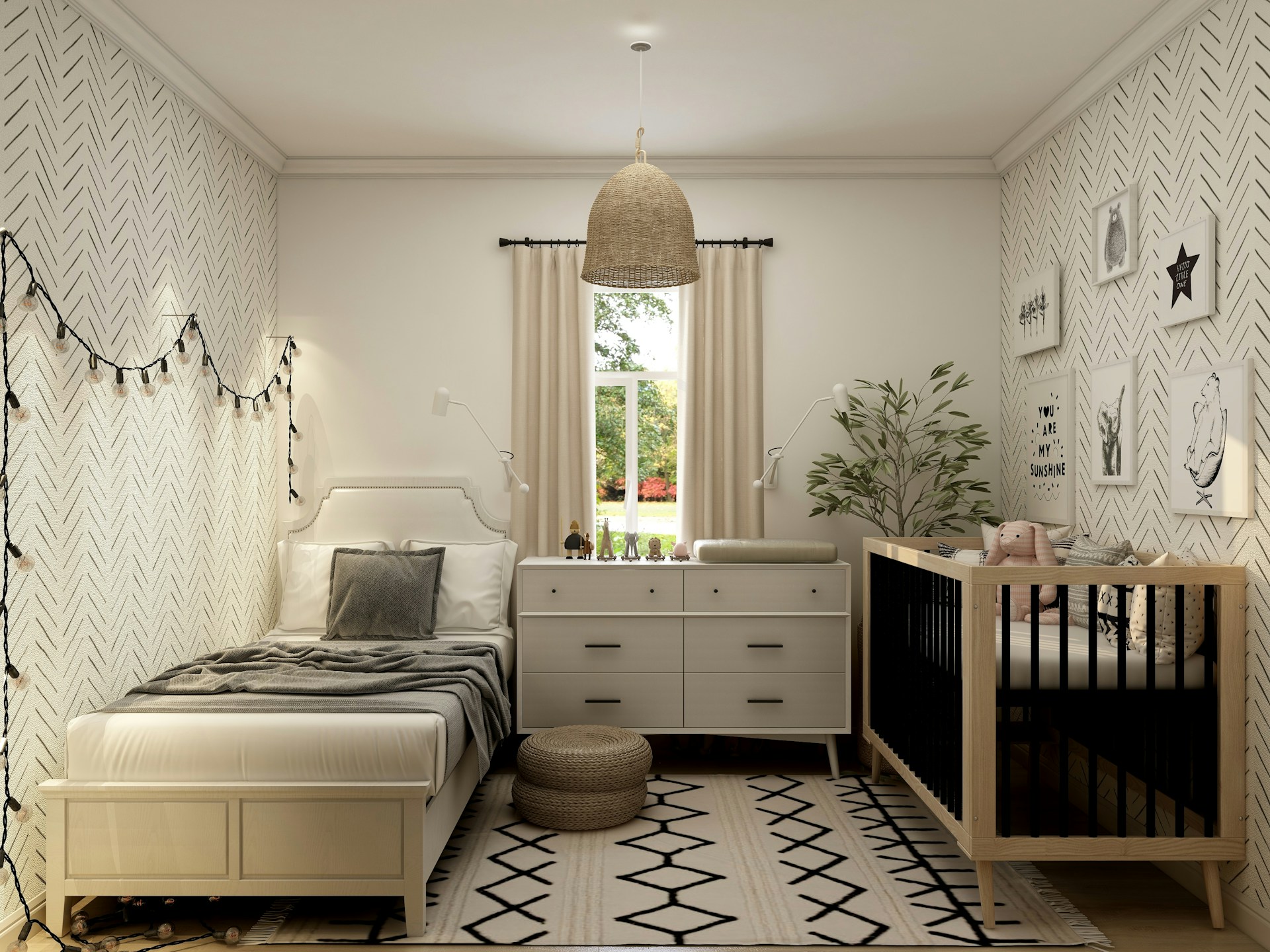
Elevating a living room starts with carefully selected furniture. Statement sofas, accent chairs, coffee tables, side tables, and storage solutions all contribute to style, comfort, and functionality. Complementing these pieces with rugs, lighting, and personal accessories ensures a cohesive and inviting space. Thoughtful choices create a living room that reflects personality while offering ultimate comfort and practicality. With the right pieces, any living room can transform from ordinary to extraordinary, making it a place where style and everyday life coexist seamlessly.…

putting on wall
Home

How to Settle into Your New Family Home Smoothly After a Move 

Settling into a new family home can feel overwhelming, especially with the added pressure of helping everyone adjust to a new environment. The key to a smooth transition lies in preparation, communication, and creating a sense of comfort from the start. Making sure your home supports your family’s lifestyle begins long before moving day, and that’s where family-focused tips on picking the right location can make a big difference. Once you’ve chosen a spot that fits your needs, simple routines and thoughtful unpacking can help turn your new house into a true home in no time. 

Prioritize the Kids’ Comfort First 

kids Children often feel the disruption of a move more strongly than adults. To ease the adjustment, start by setting up their bedrooms first. Surround them with familiar bedding, toys, and décor so the new space feels safe and recognizable. Keep routines like bedtime and meals as consistent as possible to provide a sense of normalcy. If they’re old enough, involve them in unpacking or decorating their rooms—it gives them ownership and confidence in the new environment. 


Unpack Essentials and Create Functional Zones 

While it’s tempting to unpack everything quickly, start by organizing the essentials. Focus on the kitchen, bathrooms, and bedrooms first so daily life can continue without stress. Establish key zones like a play area, homework corner, or reading nook early on to help children ease into new routines. These simple functional areas help structure your days and bring a sense of order, even before every box is unpacked. 

Keep Familiar Routines in Place 

family

Maintaining familiar routines helps your family feel settled faster. Stick to regular meal times, bedtime rituals, and weekend habits, even in a different setting. Whether it’s movie night on Fridays or a Sunday morning walk, preserving these traditions provides emotional security and makes the new home feel like a continuation of your family’s life, not a disruption to it. 

Take Time to Explore the Neighborhood Together 

Part of settling in means connecting with the new community. Go on family walks to discover nearby parks, playgrounds, and local shops. Attend neighborhood events or visit the library to help kids feel engaged and socially connected. Meeting neighbors can also ease feelings of isolation and offer helpful tips about the area. When children feel part of a wider community, they’re more likely to feel comfortable in their new surroundings. 

Personalize the Space Gradually

planting with child As boxes disappear, start making the space your own. Hang family photos, put up artwork, or plant flowers together in the yard. These personal touches turn a house into a home and help reinforce your family’s identity in the new space. You don’t need to rush major renovations—start small with comforting and familiar items that bring joy. Over time, these layers of personalization will make the home feel naturally yours. 
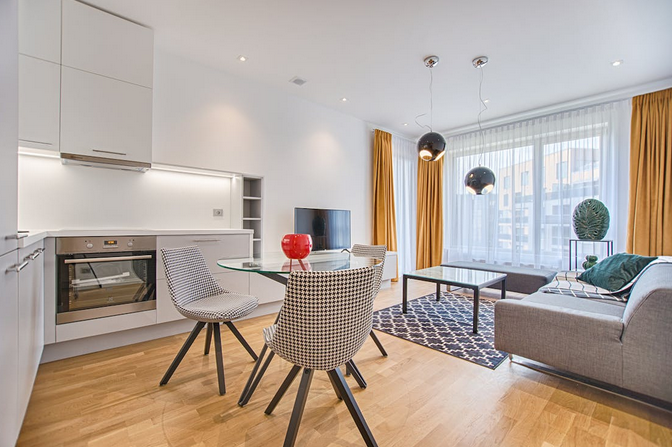

Settling into a new family home is a process that takes time, patience, and care. By focusing on comfort, routine, and connection, you can help your entire family make a smooth emotional and practical transition. Whether it’s organizing rooms with intention or exploring your new community together, every small step brings you closer to feeling at home. With the right mindset and actions, your new house will soon become the backdrop for lasting family memories. 

interior
Home

Important Home Upgrades That Add Value and Style

Home is where the heart is, but it can also be a canvas for creativity and expression. If you’re looking to boost both your property value and aesthetic appeal, home upgrades are the perfect solution. Whether you want to transform your outdoor space into a serene retreat or revamp key areas like the kitchen and bathroom, every upgrade has its own charm. Plus, integrating smart technology not only adds convenience but also elevates your home’s style factor. Let’s explore how these enhancements can breathe new life into your living spaces while increasing their value at the same time.

Patio Perfection: The Ultimate Style Extension

patio

Imagine stepping outside to a beautifully designed patio that seamlessly blends with your home. This outdoor space can be an extension of your living area, offering both style and functionality. If you’re wondering how to upgrade your garden setup, consider adding comfortable seating options adorned with vibrant cushions. A chic coffee table or fire pit can also create an inviting atmosphere for gatherings or tranquil evenings under the stars. Incorporating greenery is essential. Potted plants, vertical gardens, or even a small herb garden not only enhance visual appeal but also bring nature closer to you. Don’t forget about lighting! String lights or lanterns provide warmth and charm after sunset, transforming your patio into a cozy retreat.

Kitchen Renovations: The Heart of the Home

kitchenThe kitchen is often called the heart of the home, and for good reason. It’s where families gather, meals are prepared, and memories are made. Investing in a kitchen renovation can breathe new life into this essential space. Consider updating cabinets with modern finishes or adding an eye-catching backsplash that reflects your personal style. Open shelving offers both functionality and a chance to showcase your favorite dishes. Upgrading appliances not only enhances efficiency but also elevates the overall aesthetic. Sleek designs combined with energy-efficient technology appeal to savvy homeowners.



Bathroom Upgrades: Small Space, Big Impact

Bathroom upgrades can transform a compact space into a luxurious retreat. Simple changes often yield significant results. Consider replacing dated fixtures with modern ones. Sleek faucets and stylish showerheads bring an air of sophistication. A fresh coat of paint in calming colors can open up the space, making it feel larger and more inviting. Storage solutions are essential in small bathrooms. Wall-mounted shelves or elegant cabinets can declutter while adding character. Incorporating decorative baskets creates both function and charm.

Smart Home Technology: Stylish and Functional

smart home device

Smart home technology has transformed the way we live. It’s no longer just about convenience; it’s also a stylish upgrade for your space. Imagine controlling your lights, thermostat, and security systems with a simple voice command or tap on your smartphone. Modern devices come in sleek designs that blend seamlessly into any decor. From smart speakers to elegant light fixtures, functionality doesn’t compromise style. Smart thermostats not only help save energy but also offer sophisticated looks that enhance your interior design. Automated blinds can adjust to changing sunlight while adding an element of luxury.

Home upgrades are more than just aesthetic enhancements; they can significantly boost your property’s value. Whether you’re considering a serene outdoor patio, modern kitchen renovations, or stylish bathroom updates, each upgrade serves its purpose. Smart home technology adds an innovative twist that combines functionality with style. Investing in these areas not only improves your daily living experience but also makes your home more appealing to potential buyers down the line. Think about what resonates most with you and how it aligns with your lifestyle needs and preferences. Each choice you make is a step toward creating a space that reflects both comfort and sophistication. Take the plunge into these upgrades, and watch as your home’s charm grows alongside its value.…

worker
Home

Crafting Success: Strategies for Thriving in the Competitive Construction Sector

Welcome to the construction world, where every project is a masterpiece in the making. In this dynamic sector, success doesn’t just happen – it’s crafted with precision, strategy, and innovation. As competition intensifies, staying ahead requires more than just bricks and mortar; it demands foresight, adaptability, and a commitment to excellence. Join us as we explore key strategies for thriving in the competitive construction industry.

Technology Adoption

Gone are the days when construction was solely about manual labour and traditional methods. In today’s competitive landscape, technology adoption is key to thriving in the construction sector. Embracing innovative tools and software can streamline processes, improve efficiency, and enhance project outcomes. It is known that 3D printing and modular constructions have gained significant traction in recent years. If you want to learn more about it, you can check https://www.immobilien.de/Innovative-Bauweisen-fuer-die-Zukunft-3D-Druck-und-modulare-Konstruktionen–2155068.html. Additionally, Building Information Modeling (BIM) to drones for site surveys; there is a wide array of technologies revolutionizing the industry. By leveraging these advancements, construction companies can stay ahead of the curve and deliver exceptional client results. Implementing project management software can help track progress, manage resources effectively, and ensure timely completion of tasks.

workers

Specialize

Specialization is the cornerstone of success in the construction sector. By honing in on a niche or specific area of expertise, companies can differentiate themselves from the competition and carve out a unique market position. Specializing allows firms to showcase their skills and knowledge in a particular field, whether it’s high-rise developments, sustainable building practices, or historic preservation. Moreover, focusing on a specialized area enables construction companies to build strong relationships with clients who value expertise and experience in that specific domain. This enhances credibility and fosters long-term partnerships that can lead to repeat business and referrals. In today’s competitive landscape, being a jack-of-all-trades may dilute your brand identity.

Quality and Safety

In the competitive construction sector, maintaining high quality and safety standards is paramount. Ensuring that every project meets or exceeds industry regulations and guidelines protects workers and enhances your reputation as a reliable contractor. Using top-quality materials and implementing rigorous quality control measures can set you apart from competitors. Consistently delivering superior workmanship will earn you trust and repeat business from satisfied clients. Safety should never be compromised for the sake of speed or cost-cutting. Prioritizing safety protocols on-site reduces the risk of accidents and injuries, safeguarding both your team members and your bottom line.

Adapt to Market Trends

To thrive in the competitive construction sector, it is vital to adapt to market trends. Staying ahead of the curve and being responsive to changing demands can set your business apart from the competition. Keep a close eye on emerging trends such as green building practices, sustainable materials, and innovative construction techniques. Embracing new technologies like Building Information Modeling (BIM) or drones for site inspections can streamline processes and enhance efficiency. Integrating these tools into your workflow allows you to deliver projects faster and with higher quality standards. Market trends also include shifts in consumer preferences towards eco-friendly buildings or intelligent technology integration.

By specializing in a niche market, embracing technology, prioritizing quality and safety, and adapting to market trends, construction companies can position themselves for success in a highly competitive industry. With strategic planning and a commitment to excellence, thriving in the construction sector is not just achievable—it’s inevitable. We hope that you have found this blog post helpful.…

co living
Home

Why Co-Living Is the Ultimate Solution For University Students

Co-living has become increasingly popular option for university students. This modern approach to shared living goes beyond traditional dormitories or house sharing, offering a blend of affordability, community, and convenience. Student Living Monash Peninsula arrangements provide fully furnished spaces with shared amenities, designed to foster social interaction and support among residents. This article explores the top five benefits of co-living for university students, demonstrating why it is the ultimate solution for enhancing their academic and social experiences.

Community and Social Interaction

Living in a co-living space fosters a strong sense of community. Unlike traditional housing, where students may feel isolated, co-living encourages interaction and collaboration among residents. Common areas such as kitchens, lounges, and study rooms provide opportunities for socializing, networking, and forming lasting friendships. This supportive environment can be beneficial for first-year students adjusting to university life and seeking to build a social network.

Cost-Effectiveness

Another primary advantage of co-living is its cost-effectiveness. University students often face financial constraints, and co-living provides an affordable alternative to renting an apartment or house independently. In a co-living arrangement, rent typically includes utilities, internet, and access to common areas, reducing the need for additional expenses. By sharing these costs among multiple residents, students can enjoy a better standard of living without the burden of high rent and utility bills.

Convenience and Flexibility

Co-living spaces have the needs of students in mind, offering a convenient and flexible living arrangement. These spaces are usually fully furnished, eliminating the hassle of purchasing and moving furniture. Additionally, many co-living communities offer flexible lease terms, allowing students to choose short-term or long-term stays based on their academic schedules. This flexibility is ideal for students participating in internships, study abroad programs, or co-op placements.

Enhanced Facilities and Amenities

laundry room

Another significant benefit of co-living is access to enhanced facilities and amenities that might be unaffordable otherwise. Many co-living spaces have modern kitchens, high-speed internet, laundry facilities, fitness centers, and communal study areas. These amenities create a comfortable and productive living environment, catering to the diverse needs of university students. The convenience of having such facilities on-site contributes to a more balanced and fulfilling student life.

Personal and Professional Growth

Co-living environments offer unique opportunities for personal and professional growth. Living with diverse individuals from various backgrounds can broaden perspectives and enhance cultural understanding. Moreover, many co-living communities organize events, workshops, and networking opportunities, providing residents with valuable skills and connections. This exposure can be instrumental in personal development and career advancement, equipping students with the tools they need to succeed in their future endeavors.

Co-living presents a compelling solution for university students seeking affordable, convenient, and community-oriented housing. By sharing costs, fostering social interaction, offering flexibility, providing enhanced amenities, and supporting personal and professional growth, co-living creates an enriching environment that enhances the overall university experience. As the demand for innovative housing continues to grow, co-living is an optimal choice for students aiming to make the most of their academic and social lives.…

site
Home

Identifying the Factors Behind Residential Lag In Germany’s Construction Industry

As one of Europe’s largest economies, Germany boasts impressive infrastructure and a high standard of living. However, there is an undeniable gap between the demand for housing and the supply available. In this article, we will explore some key reasons why residential construction struggles to keep up with the growing needs of its population, according to Die deutsche Wirtschaft website. From regulatory barriers to skilled labor shortages and financing constraints, we’ll delve into each factor that contributes to this ongoing challenge.

Regulatory Barriers

Stringent regulations and bureaucratic hurdles significantly impede residential construction in Germany. Lengthy approval processes, complex zoning regulations, and strict building codes often lead to delays and increased costs for developers. Simplifying and streamlining regulatory frameworks, introducing more flexibility in land use, and expediting permit procedures could alleviate the burden on construction companies, encouraging higher residential construction rates.

Skilled Labor Shortage

A shortage of skilled labor is another major factor contributing to the residential lag in Germany’s construction industry. Aging demographics and a decline in vocational training programs have resulted in a scarcity of qualified workers. This shortage prolongs construction timelines and drives up labor costs. Addressing this issue requires increased investments in vocational training, attracting foreign workers to fill the labor gap, and promoting apprenticeship programs to ensure a steady supply of skilled workers in the long run.

labor

Land Availability and Cost

The availability and cost of land play a crucial role in residential construction. In densely populated areas and cities, finding suitable land for development becomes challenging. Moreover, soaring land prices create financial barriers for developers, making it economically unviable to construct affordable housing. Policymakers can address this issue by implementing land-use reforms that promote the release of publicly owned land, incentivizing brownfield redevelopment, and encouraging cooperative initiatives between public and private entities to make land more accessible and affordable for residential development.

Financing Constraints

Access to financing is vital for construction projects, especially in the residential sector. Tight lending standards, high borrowing costs, and stringent collateral requirements can limit access to capital for developers, particularly small and medium-sized enterprises. Encouraging financial institutions to provide more favorable lending terms and creating specialized loan programs tailored to the needs of residential construction can help overcome financing constraints. Public-private partnerships and government-backed loan guarantees can also play a significant role in stimulating investment in residential construction.

Understanding the factors behind the residential lag in Germany’s construction industry is crucial for addressing the housing shortage and improving construction rates. Regulatory barriers, skilled labor shortages, land availability, and cost, and financing constraints are key factors that require targeted interventions.…

architect
Home

The Architect’s Role: Beyond Design, Adding Value to Your Project

When envisioning a dream space or embarking on a construction project, the significance of an architect surpasses their expertise in design. Collaborating with an architect offers a myriad of value-added services that extend far beyond the blueprint stage, elevating your project to new heights. Let’s explore the multifaceted benefits of working hand-in-hand with these professionals, unlocking a realm of expertise from haustechnikdialog.de beyond conventional design.

The Grand Vision

grand vision

Architects are adept at transforming ideas into tangible concepts. Beyond sketching designs, they act as visionaries, understanding your aspirations and translating them into a feasible plan. Their ability to grasp your vision ensures that your project aligns with your desires, optimizing functionality, aesthetics, and practicality.

Expertise Beyond Aesthetics

While aesthetics play a significant role, architects bring more to the table. Their comprehensive knowledge encompasses structural integrity, building codes, materials, and construction methods. This holistic understanding enables them to navigate complex regulations, ensuring compliance while optimizing your space’s functionality and sustainability.

Tailored Solutions and Innovation

Architects are problem solvers at their core. They analyze spatial constraints and craft innovative solutions to maximize your space’s potential. Their ability to foresee challenges and offer creative solutions results in bespoke designs that align with your lifestyle and needs.

Project Management Prowess

project

Beyond designing, architects often undertake project management roles. They act as orchestrators, liaising with contractors, managing timelines, and overseeing the construction process. Their involvement ensures the project stays on track, adhering to quality standards and timelines.

Value Addition Through Sustainability

In an era focused on sustainability, architects integrate eco-friendly practices into designs. They recommend sustainable materials, energy-efficient solutions, and green building strategies, not only benefitting the environment but also enhancing long-term cost-effectiveness.

Collaboration and Communication

collab

Architects facilitate communication among stakeholders. Their ability to collaborate with engineers, contractors, and interior designers fosters a cohesive team approach, minimizing conflicts and ensuring alignment with the project’s goals.

Collaborating with an architect transcends acquiring a beautifully designed space. It’s about tapping into a wealth of expertise and value-added services. Their role extends far beyond sketching layouts. They are visionaries, problem solvers, and project managers. By harnessing their expertise, you unlock a world of tailored solutions, innovation, and sustainable practices. Engaging with an architect ensures that your project not only fulfills your aesthetic desires but also integrates functionality, compliance, and long-term value. Their holistic approach adds an unparalleled dimension to your project, shaping spaces that reflect your vision and surpass expectations.…

Home

Resale Value of Prefabricated Houses: Making a Wise Investment

When considering homeownership, one important factor to keep in mind is the potential resale value of your property. It’s not just about creating a comfortable and appealing living space for yourself; it’s also an investment in your future. Prefabricated homes, often referred to as prefab or modular homes, are becoming increasingly popular due to their affordability and sustainability. Immoportal will explore the resale value of prefabricated houses and how they can be a wise investment for homeowners.

The Evolution of Prefabricated Housing

Prefabricated homes have come a long way from their early days of being seen as simple and temporary structures. Modern prefab homes offer innovative designs, high-quality materials, and a wide range of customization options, making them a viable choice for many homeowners. As a result, the resale value of these homes has seen a positive trend in recent years.

Factors Affecting Resale Value

There are several factors that can impact the resale value of prefabricated houses. Location is often a key consideration, as homes in desirable areas generally have a higher resale value. Additionally, the quality of materials used and the level of customization can also affect the final sale price. It’s important to note that just like traditional stick-built homes, upkeep, and maintenance play a significant role in maintaining or increasing resale value over time.

Benefits of Prefabricated Homes for Resale Value

One major benefit of investing in a prefabricated home is its energy efficiency. Many prefab homes are built using sustainable materials and have advanced insulation systems, making them more environmentally friendly and cost-effective to maintain. This eco-friendly aspect can increase the resale value of these homes, especially in a market where energy efficiency is becoming increasingly important to buyers. Another advantage of prefabricated homes is their shorter construction time. With many parts already constructed in a factory setting, building a prefab home can be completed much faster than traditional stick-built homes. This not only means a quicker move-in process for homeowners but also can result in lower labor costs and higher profit margins for sellers.

In Conclusion

Prefabricated houses are proving to be a wise investment, not only in the present but also in the future. Their cost-effectiveness, quality construction, energy efficiency, customization options, and overall appeal to homebuyers make them a sound choice for those seeking a good resale value.

As the prefab housing industry continues to evolve and innovate, it is likely that the resale value of these homes will continue to rise, making them an attractive investment option for homeowners.…

roof
Home

Weatherproofing Your Roof: Essential Measures for Longevity and Protection

Your roof is an essential part of your home’s defense against the elements, so it makes sense for homeowners like us to ensure it is properly protected and preserved. Learn why you need to protect your roof at https://www.architectureartdesigns.com/beyond-the-shingles-the-proficiency-and-skills-of-roofing-experts/. Whether you’re dealing with rain, snow, wind, or intense heat, taking the necessary measures to weatherproof your roof will not only extend its lifespan but also safeguard your entire property. The question is, how exactly can we fortify our roof against Mother Nature’s toughest challenges? We’ve got the answer just for you here.

Proper Insulation

Proper insulation is a fundamental aspect of weatherproofing your roof. It helps better regulate the inside temperature of your home while preventing heat loss in colder months and minimizing heat gain during hot summers. Additionally, proper insulation helps prevent moisture buildup and condensation within your attic space. One key benefit of adequate insulation is energy efficiency. By creating a barrier that reduces thermal transfer, you can massively lower your heating and cooling costs throughout the year. This not only saves you money but also reduces strain on your HVAC system, extending its lifespan.

Installing Underlayment

This crucial layer serves as a protective barrier between the roofing materials and the rest of your home. It provides an extra level of defense against water infiltration and helps to extend the lifespan of your roof. Underlayment, typically made from asphalt-saturated felt or synthetic materials like rubberized asphalt or fiberglass, plays a vital role in preventing moisture from seeping through the roof deck. By acting as a shield against potential leaks, it safeguards not only your roofing system but also protects the interior of your home from potential water damage. During installation, underlayment is laid directly on top of the roof deck before any shingles are placed. It acts as a second line of defense if any water manages to penetrate through the outermost layer of shingles.

man

Use of Sealants and Membranes

These two materials can provide an extra layer of protection against water intrusion and help to extend the longevity of your roof. Sealants, such as silicone or polyurethane-based products, are applied along seams and joints to create a watertight barrier. They are flexible, allowing for expansion and contraction with temperature changes, which helps prevent cracking or peeling over time. Membranes are typically composed of a waterproof material, like rubber or PVC, that is installed on top of the roofing substrate. They act as a protective shield against moisture infiltration and can also provide added insulation.

Installing Ice and Water Shields

Ice and water shields are typically made from a rubberized asphalt material that adheres to the roof deck. They are specifically designed to provide an extra layer of protection in areas prone to heavy rain, snowfall, or ice buildup. During installation, these shields are applied directly onto the roof deck before any shingles or other roofing materials are installed. This ensures that they create a watertight seal around vulnerable areas such as valleys, eaves, chimneys, skylights, and penetrations. By installing ice and water shields correctly, you can significantly reduce the risk of leaks caused by melting snow or ice dams forming on your roof during winter months. They also offer added protection against wind-driven rain during storms.

Taking the necessary steps to weatherproof your roof is crucial for its longevity and protection. Still, regular maintenance is key to preserving the integrity of your roofing system. Inspections should be conducted at least twice a year – during spring and fall – with immediate repairs made whenever signs of damage are detected.…

architect
Home

Tips to Consider When Seeking an Architect to Help with Your Home Construction Project

Hiring an architect for your home construction project is a significant decision that can greatly impact the success and outcome of your endeavor. Architects like the ones discussed on www.hausbauberater.de bring design expertise, practical knowledge, and project management skills. To ensure a smooth and satisfying collaboration, selecting the right architect for your specific needs and vision is crucial. Here are essential tips when seeking an architect to help with your home construction project.

Define Your Project Goals

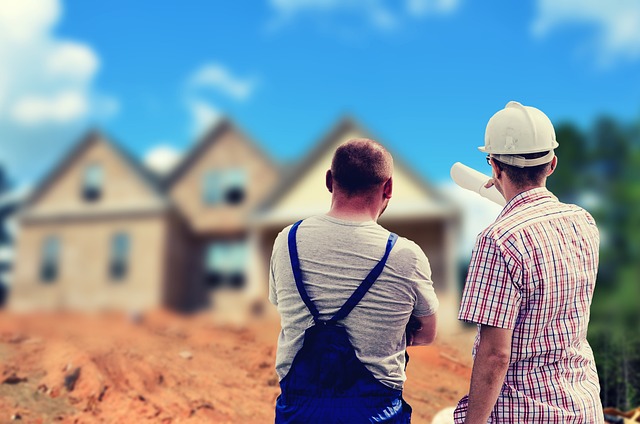
planBefore you start searching for an architect, it’s essential to have a clear understanding of your project’s goals and objectives. Are you building a new home, renovating an existing one, or adding an extension? What is your budget, timeline, and preferred architectural style? Knowing your project’s specifics will help you communicate effectively with potential architects and find one who aligns with your vision.

Verify Credentials

Architects are licensed professionals who must meet specific education and experience requirements. Check whether the architect you’re considering is licensed to practice in your area. Additionally, look for affiliations with professional organizations like the American Institute of Architects (AIA), which often indicates a commitment to ethical and high-quality design standards.

Review Portfolios

Examine the portfolios of architects you’re interested in to assess their design style and past projects. Please pay attention to whether their previous work aligns with your aesthetic preferences and the scale and complexity of your project. A diverse and well-executed portfolio demonstrates an architect’s versatility and competence.

Seek Recommendations

Ask friends, family members, or colleagues for recommendations. Personal referrals can give you valuable insights into an architect’s communication skills, work ethic, and professionalism. You can also consult online reviews and testimonials to gather more feedback on their past projects.

Conduct Interviews

Meeting potential architects in person or through virtual interviews is a crucial step in the selection process. Discuss your project’s scope, timeline, budget, and specific requirements. Please pay attention to how well the architect listens to your ideas, offers suggestions, and communicates their approach to the project. A good rapport and clear communication are vital for a successful collaboration.

Check References

Don’t hesitate to request references from previous clients. Speaking with past clients can provide insights into the architect’s ability to meet deadlines, stay within budget, and address challenges that may arise during construction. Ask about their overall satisfaction with the architect’s work and whether they encountered any issues during the project.

architect

Understand Fees and Contracts

Discuss the architect’s fees and payment structure upfront. Architects typically charge a percentage of the project’s total cost or an hourly fee. Make sure you understand the terms and conditions outlined in the contract, including the architect’s responsibilities, project phases, and any additional costs that may arise.

Consider Compatibility

Select an architect with whom you feel comfortable and confident. A successful collaboration depends on good chemistry and mutual respect. Your architect should value your input and be open to incorporating your ideas into the design while also providing their professional expertise.

Conclusion

Choosing the right architect for your home construction project is a pivotal decision that requires careful consideration. With the right architect by your side, your dream home can become a reality.…

roofing
Home

Protecting Your Investment: Why Regular Roof Inspections Are Essential For Every Homeowner

As a homeowner, it is crucial to prioritize the maintenance and care of your property. One of the most important aspects of your home is its roof. Regular roof inspections are essential in ensuring the longevity and protection of your investment. In this article, we will discuss why regular roof inspection should be an integral part of every homeowner’s routine.

Extending Roof Lifespan

lifespan

Roofs are exposed to various weather elements throughout the year, including rain, snow, wind, and UV rays. Over time, these elements can cause wear and tear, decreasing your roof’s lifespan. Regular roof inspections allow professionals to identify any damage or deterioration early on and take necessary steps to extend the roof’s lifespan. This can include repairing damaged shingles, sealing gaps, or applying protective coatings to enhance durability.

Ensuring Energy Efficiency

shinglesAn efficient roof maintains a comfortable indoor environment and reduces energy costs. During roof inspections, professionals assess the insulation and ventilation systems, ensuring they work effectively. Proper insulation prevents heat loss during winters and heat gain during summers, reducing your reliance on heating and cooling systems. Additionally, adequate ventilation helps expel excess moisture, preventing the formation of mold and mildew. Regular inspections ensure your roof functions optimally, contributing to energy efficiency and cost savings.



Detecting and Preventing Leaks

Regular roof inspections help in identifying potential leaks early on. A small leak may seem insignificant at first, but over time, it can cause significant damage to your property, leading to costly repairs. By scheduling regular roof inspections, professionals can identify any signs of leaks, such as water stains, mold growth, or weakened roof materials. Detecting and addressing these issues promptly can prevent further damage and save you money in the long run.

Enhancing Home Value

value

A well-maintained roof is a significant factor that improves your home’s overall value and curb appeal. When you decide to sell your property, potential buyers will be reassured that the roof has been regularly inspected and maintained. It instills confidence in the buyer that the property is well taken care of, reducing the chance of negotiation on the selling price. Regular roof inspections can help you maximize the return on your investment when you sell your home.

Regular roof inspections are crucial to maintaining and protecting your investment as a homeowner. By detecting and preventing leaks, extending the roof’s lifespan, ensuring energy efficiency, and enhancing the home’s value, you can save money, increase comfort, and maintain the overall condition of your property. Make it a priority to schedule routine roof inspections with professionals who can identify and address any issues before they become costly and burdensome.…

house
Home

Benefits of Buying Real Estate Now

The real estate market is constantly changing, so knowing when is the best time to buy can be challenging. There are a lot of factors to consider when trying to time the market. Still, some properties like prestige marigold Bettenahalli offer investors a lot of potentials regardless of when they purchase. Some people might tell you that now is a bad time to buy, while others might say that the market is on the rise and now is a perfect time. So what’s the truth?

Real Estate Increases Its Value Over Time

propertyOne of the main reasons you should consider buying real estate now is that it generally increases in value over time. This is especially true if you purchase property in an up-and-coming area or an area that is growing in popularity. Not only will your property be worth more money in the future, but you’ll also have the potential to earn a higher return on investment if you decide to rent out your property.
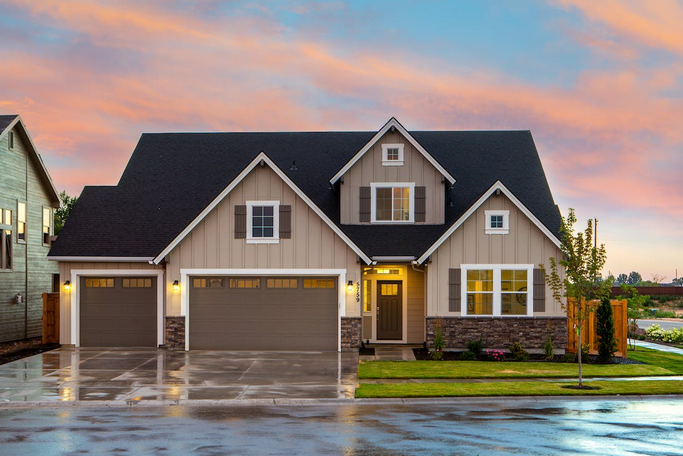
Of course, there’s no guarantee that your property will increase in value. However, over the long term, real estate has proven to be a solid investment. And if you purchase property now while prices are relatively low, you’ll be in an excellent position to benefit from any future market appreciation.

Obtain More Property Options From Developers

Due to the current economic situation, many developers are now offering more flexible payment terms and prices for their properties. This gives buyers a wider range of options when purchasing a property. In addition, developers are offering more incentives for buyers who purchase a property now. These incentives can include anything from free furniture to discounts on the purchase price.

Steady Robust Economy

As we come out of recession, the economy is expected to strengthen. This will lead to an increase in demand for housing and commercial space, resulting in higher prices. If you’re thinking of buying real estate, now is a good time to do it. Prices are still relatively low and plenty of properties are on the market. Mortgage rates are also low, making it an excellent time to buy a property and lock in a low-interest rate. The job market is improving, so more people can afford a home. These factors make now a great time to invest in real estate. Real estate is a good choice if you’re looking for a long-term investment. Prices have historically increased over time, so you can expect your property to increase in value. This makes real estate a smart investment for those looking to build wealth over the long term.

Real estate can also provide you with a steadier income than other investments, such as stocks and bonds. This is because rental prices tend to increase along with inflation. So, real estate is a good option if you’re looking for an investment that will provide you with consistent income. And, since mortgage rates are still relatively low, now is a great time to invest in real estate.…

apartment
Home

Tips When Finding an Apartment

Finding an apartment can be a daunting task. You want to find something that meets your needs. It is known that prestige park grove bangalore is the best place to look for an apartment. There are many things to consider when looking for an apartment. Here, we will discuss tips to help you find the perfect place to live.

Check the Neighborhood

neighborThe location is one of the most important things to consider when looking for an apartment. You want to make sure you find a place that is in a safe neighborhood and is close to the things you need. If you’re working, you want to ensure the apartment is close to public transportation. If you have children, you want to make sure there are good schools in the area. This is so important when finding an apartment.

Consider Your Budget

moneyAnother important thing to consider when looking for an apartment is your budget. You want to make sure you find a place that is affordable and that meets your needs. There are many apartments out there that are overpriced and not worth the money. You want to make sure you find a place that is in your price range and has everything you need.

Think About Your Needs

buildingLastly, when looking for an apartment, you want to make sure you think about your needs. You need to consider the size of the place, the number of bedrooms, and the amenities that are important to you. If you have a pet, you want to make sure the apartment complex allows pets. You also want to make sure there is enough storage space for all of your things.
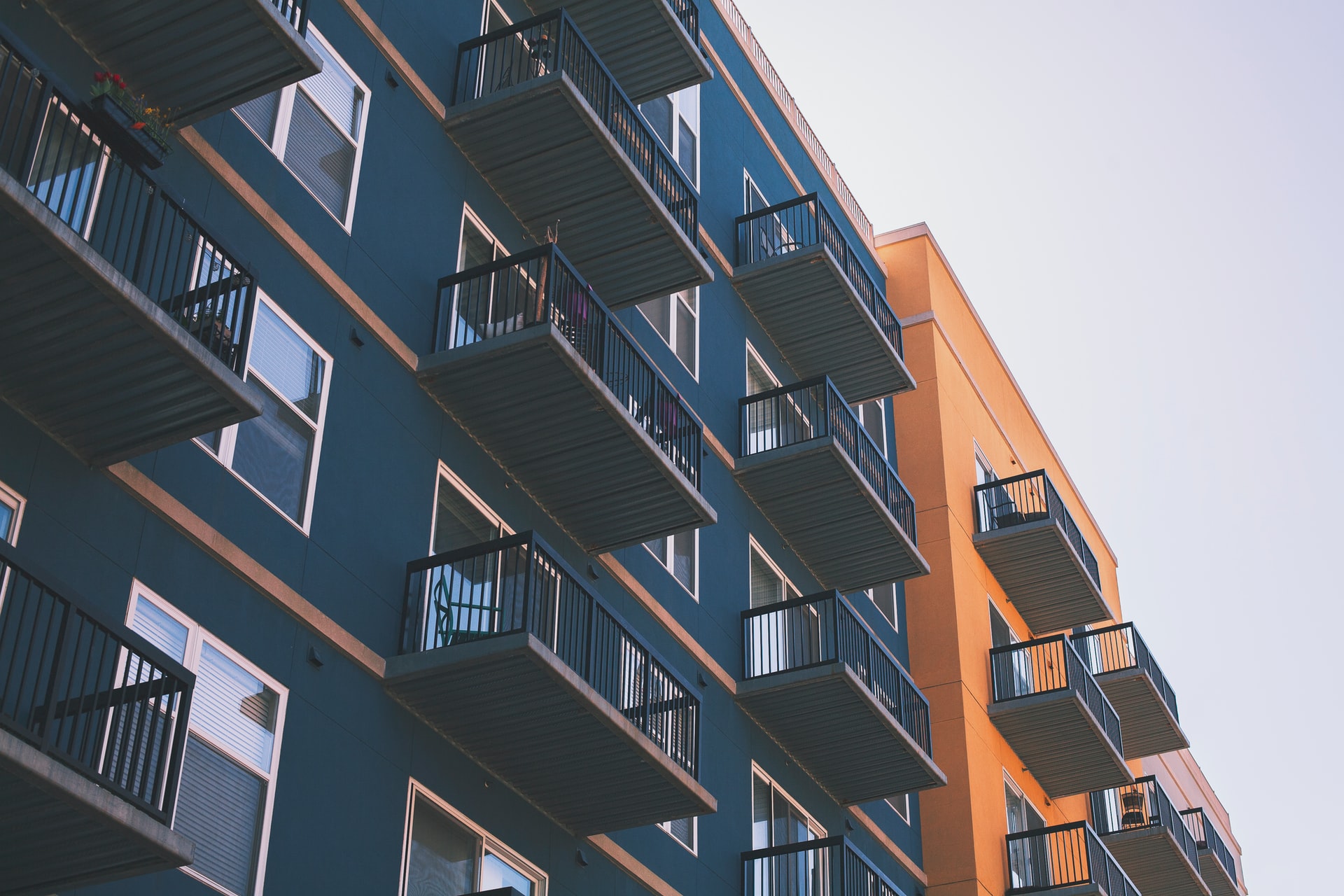
This is so important when finding an apartment because you want to make sure it meets all of your needs. Many have regretted not thinking about their needs and ended up in a place that was not right for them. Congratulations on your decision to find a new place to call home. The apartment-hunting process can seem daunting, but following these tips will make it a little easier. The most important thing is to be patient and keep an open mind. There are plenty of great apartments out there, you just have to be willing to look for them. So get started today and good luck in your search.…

kitchen
Home

Things to Consider When Remodelling Your Kitchen

Are you in the market for a kitchen remodel? If so, there are a few things you’ll want to keep in mind. The kitchen is one of the essential rooms in the house, and it’s worth taking your time to review https://housefrey.com/index.php/2022/03/30/a-comprehensive-guide-to-turning-your-kitchen-from-average-to-amazing/ to get it just right. This blog post will discuss eight things to consider when remodeling your kitchen. So whether you’re just starting to plan your project or already well underway, be sure to read on!

Do Electrical Work According to Code

One of the most important things to keep in mind when remodeling your kitchen is safety. This means ensuring that all electrical work is done according to code. Electrical fires are one of the leading causes of home fires, so it’s crucial to make sure everything is up to date and properly installed. If you’re not comfortable doing the electrical work yourself, hire a qualified electrician.

Make a Schedule

remodellingAnother vital thing to keep in mind when remodeling your kitchen is organization. This means creating a schedule and sticking to it as closely as possible. Trying to juggle too many tasks can be overwhelming, and it’s easy to get behind if you’re not careful. In addition, it’s essential to allow enough time for each task. Rushing through a remodel can lead to disaster, so be sure to take your time and do things the right way.


Get Creative About the Layout

When remodeling your kitchen, it’s essential to be creative about the layout. There are many different ways to design a kitchen, so you should take the time to find the layout that’s right for you. If you’re not sure where to start, plenty of online resources are available, or you can consult with a kitchen designer.

Dont Forget About Ventilation

Another critical thing to keep in mind when remodeling your kitchen is ventilation. Your kitchen can quickly become a hot, stuffy, and uncomfortable space without proper ventilation. This is especially important if you’re planning to install a new stove or oven – these appliances can produce a lot of heat. In addition, proper ventilation can help keep your kitchen appliances running efficiently, and it can also help reduce the amount of dust and dirt in the air.

So, consider all of your options, whether you’re remodeling your kitchen on a budget or have the money. By reviewing the points we’ve raised in this article, you can ensure that your new kitchen will be perfect for your needs. Have any questions? We’d love to help – get in touch today.…

shadow
Home

The Top Reasons to Use Blinds for Your Home

There are many reasons to use blinds for your home. Some people might choose to use curtains instead, but you can get more info and enjoy several benefits of using blinds. This blog post will discuss the top six reasons to make the switch!

Blinds Provide Privacy

One of the main reasons people choose to use blinds is for privacy. Curtains can sometimes be see-through, especially if they are lighter materials. Blinds can provide the same level of privacy as curtains, but they also have the added benefit of controlling how much light comes into the room. It is advantageous when you want to keep your home cool. Another advantage of blinds is that they are easy to clean. Curtains can be challenging to clean because they are often made of delicate materials. On the other hand, you can easily wipe down blinds with a damp cloth.

They Come in a Variety of Colors and Styles

privacyBlinds also come in various colors and styles to match any home décor. Curtains sometimes have patterns or designs that can be difficult to reach. Blinds are available in many different colors, so you can easily find a style that matches your existing décor.


Finally, blinds are a great way to improve the look of your home. Curtains can sometimes make a room look cluttered or busy. Blinds provide a clean and sleek look that can help improve your home’s overall appearance.

Blinds Are Easy to Operate

In addition to being aesthetically pleasing, blinds are also easy to operate. They can be opened or closed with just a few clicks, so you can control the amount of light and privacy in your room with ease. Curtains can sometimes be difficult to open and close, especially if they are heavy. This can be frustrating, especially if you are trying to get ready for bed and just want to close the curtains quickly.

Another benefit of blinds is that they help protect your furniture and flooring from the sun’s harmful UV rays. Curtains can sometimes fade or damage your furniture over time, but blinds can help to prevent this. This is especially important if you have expensive or delicate furniture.

You Can Use Them in Any Room

Finally, you can use blinds in any house room, including the kitchen, bathroom, and bedroom. Curtains are often only used in living rooms or bedrooms, but blinds can be used in any room where you need privacy or light control. It makes them an excellent option for people who have multi-purpose rooms.…

canopy bed
Home

Simple Ways to Create Vintage Look in Your Bedroom

Are you looking to add a touch of vintage glamour to your bedroom? You’re in luck. In this blog post, we will discuss five simple ways to create a vintage look in your bedroom. These tips are easy to follow and help you achieve the perfect vintage aesthetic for your space. But first, you want to set up the right bedroom design for a more vintage look. You can read more here. Now, let’s get started.

Set up a Focal Point for Your Bedroom

focal pointA straightforward way to create a vintage look in your bedroom is to set up a focal point. It could be anything from a beautiful antique bed to a statement chandelier. By establishing a focal point, you can help to create a more cohesive and stylish room. If you’re looking for an easy way to add some vintage flair to your bedroom, start by focusing on your furniture and decor. You might want to try using some old-fashioned accessories in your bedroom. Things like a vintage alarm clock, an antique mirror, or a rustic lantern can help to set the mood and create a more inviting focal point.

Use Soft Color Scheme

Another easy way to achieve a vintage look in your bedroom is by using a soft color scheme. Soft colors like blush, ivory, and light green can help to create a more relaxed and calming atmosphere. They also happen to be trendy colors for vintage-inspired spaces. To create a vintage look with soft colors, start painting your walls in one of these shades. What you need to do next is to add in some vintage furniture and decor pieces. You can find a vast selection of antique furniture online or at your local thrift store. Don’t be afraid to mix and match different styles to create your look uniquely.

Add a Touch of Whimsy With Vintage Knickknacks

centerpiecesIf you’re looking for an easy way to add some personality to your bedroom, try adding in some vintage knickknacks. These little pieces can help to brighten up a room and inject a touch of whimsy. You can find vintage trinkets at flea markets, antique stores, or online.


Just be sure to choose pieces that fit your bedroom’s overall aesthetic. A mismatched collection of vintage knickknacks can look quite chaotic and messy. So, be selective and only add details that you truly love.

Choose Furniture With an Antique Style

One of the best ways to create a vintage look in your bedroom is to choose furniture in an antique style. There are many different types of antique furniture, so you should have no trouble finding pieces that fit your taste. You can find antique beds, dressers, nightstands, and even vanities online or at your local thrift store. If you’re unsure where to start, try browsing online for some inspiration. Many websites specialize in selling antique furniture. Just be sure to measure your bedroom before you make any purchases to know what will fit.

Antique furniture can be a great way to add vintage glamour to your bedroom. By choosing pieces in an antique style, you can easily create a cohesive and stylish space. Just be sure to measure your room before you make any purchases to know what will fit. Now that you have some tips for creating a vintage look in your bedroom, it’s time to start decorating your bedroom.…

cooking
Home

Guide to Safe Tap Water and Water Filters for Your Home

The quality of your tap water is essential to you and your family. Whether you have a well or city water, knowing the risks of drinking untreated tap water is necessary. The good news is that there are many ways to treat and filter your home’s tap water so that it’s safe for consumption. In this blog post, we will cover how different types of filters work and some pros and cons of each type. The e-architect will discuss finding a safe drinking source and choosing a good quality, affordable home filtration system.

How to Properly Filter Your Water at Home

daily useThere are many ways to filter your water at home, and each has its benefits and drawbacks. The most common filters are carbon filters, reverse osmosis systems, and distillation systems. Carbon filters work by trapping contaminants in the filter media. They are effective at removing chlorine, sediment, and other organic pollutants. They do not remove minerals or metals, and they cannot break down chemical pollutants. Reverse osmosis systems work by forcing water through a semi-permeable membrane that separates unwanted contaminants such as lead, arsenic, chromium, and organic compounds.

The Benefits of Filtered Water

The benefits of filtered water are many. First, it’s safer to drink than untreated tap water because it removes chemicals and bacteria that can be harmful. It also tastes better, which is ideal for those who don’t enjoy chlorine taste. Filtered water is also more alkaline, which can benefit your health. It can help to reduce acid reflux and improve joint function. Finally, filtered water is better for your appliances. It extends the life of coffee makers, ice machines, and other household appliances by preventing mineral buildup.

Types of Filters Available on the Market Today

soapy handsThere are many different filters on the market today, and each has its benefits. We have already discussed carbon filters and reverse osmosis systems. Among other common water filtration technologies is ion exchange resin, which exchanges sodium ions for calcium in hard water to prevent scale buildup.


Another type of filter uses diatomaceous earth (DE), a naturally occurring, porous sedimentary rock. DE filters work by trapping particles as water passes through them. They are effective at removing bacteria, viruses, and parasites.

Installation Tips and Advice

There are a few tips and tricks for installing your water filter properly. First, always read the instructions carefully before you begin installation to avoid making mistakes that could damage the system or cause it to malfunction. Second, remember that not all systems require tools, but be sure to have them on hand before starting any project. Finally, always remember to shut off the water supply before installing. This will ensure that no one gets hurt during the process and means you won’t damage your system by running water.

Now that you know more about how home filtration systems work, what type of materials they use for filtering, as well as some pros and cons of each filter technology, it’s time to choose a system that fits your needs. Thanks for reading!…

for sale
Home

Common Types of Closing Costs When Selling Your Home

When selling your home, you have to consider a lot of different costs. This article will go over the most common ones and how they affect the pricing of your property. Many factors go into determining how much money you can get for sale. It includes the property taxes and loan payoff amount, which you can learn from the digital mortgage guide. Also, there are still some other types of closing costs that we will explore here. Some sellers may not know what they’re getting themselves into until it’s too late, so this is meant to introduce some of these costs and why they matter in regards to value.

Loan Payoff Amount

open houseIf you want to sell your home, sure, you need to set the best price that can cover all the closing costs. One of the most common closing costs is the loan payoff amount. The loan payoff amount is the total remaining balance on your mortgage. This cost can be negotiable between you and the buyer, but it’s often based on the home’s sale price.

It matters to sellers because if they have a large enough loan payoff, it could lower their asking price. It can also make it more difficult to find a buyer because it’s seen as a higher risk.

Property Taxes

Another cost that is often overlooked when selling a home is property taxes. These can vary depending on where you live, and if they aren’t paid off before selling your house, you could add them to the new homeowner’s monthly expenses. It may not seem like much at first, but these small changes do add up over time, affecting how much of a return you get on your property.

Selling real estate isn’t like selling stocks where if they go up in value, the investor will make money off it even after taxes and expenses. Real estate is more complicated than that since there are so many different factors to consider when selling any kind of property.


Real Estate Agent’s Commissions

Another cost that may be negotiable is the real estate agent’s commissions. It can vary depending on how much time you are willing to put into selling it yourself or if you have an agent help promote your home, which will also affect their commission amount.

It’s important to remember that different types of agents out there may be cheaper than others, so this should be one of the first things you research when trying to sell your home.

There are many other types of closing costs that we could explore, but these three are some of the most common and can have a significant impact on how much money you get for your house. By understanding these costs, sellers can make sure they’re getting the best deal possible when putting their homes on the market.…

home
Home

Top 5 Home Tips to Improve Your Household Conditions and Atmosphere

It’s no secret that a clean and tidy home is a happy home. In fact, you might even be able to improve your mood by simply organizing your closet or throwing away clutter. The following five tips will help you create an environment where everyone in the family can feel at ease. So, why not head down to check our list?

Be Supportive of Your Family Members

cleanIt’s 2022, and we should not live in the future with an outdated view of being homophobic, hating on technology, and disdaining certain ways to make money. I recall reading an interview of bowie 1972 where the legendary musician Mr. David Bowie himself admitted that he was always gay and proud even though he didn’t come out to the masses until his late thirties.

I’m not going to write a book about being gay but will say that just as if you were born with brown eyes, you cannot change your eye color, so too do people have different sexual orientations and ways of life. What makes us human is our ability to learn from our mistakes and be open-minded. In short, do not judge your family members no matter how different their lifestyles are from yours.

Include Family Members in Party Planning

Consider the following scenario: Party A’s parents want a specific theme for their child’s birthday party. At the same time, Parent B does not care about what kind of decorations or activities are planned. In this situation, it would be best for Party A to include their parents in the party planning process so that everyone is happy with the outcome. This same philosophy can be applied to all aspects of family life by simply including each member in meaningful discussions and decisions.

Create a Cleaning Schedule

One way to ensure that your home remains clean and organized is to create a cleaning schedule. This way, everyone in the family knows what tasks need to be completed every week. You can even break down the chores by room so that it’s easier for everyone to follow.

Invest in Quality Furniture

It’s no secret that quality furniture lasts longer than cheap furniture. Not only is it more aesthetically pleasing, but it’s also more comfortable and durable. So, if you’re in the market for new furniture, be sure to invest in quality pieces that will last for years.


Spend Quality Time

living roomTechnology does have its drawbacks in that it can often lead to people becoming more isolated from one another. Instead of spending hours on social media, why not try to spend quality time with your family members? This could involve playing a game together, going for a walk, or simply having a conversation around the dinner table.


By taking the time to connect, you’ll create a stronger bond that will last for years to come.…

baby
Home

Excellent Ideas for Baptism Decorations at Home

Baptisms are a wonderful celebration of the blessing of new life. The family and friends gather to celebrate and offer their gifts for this young one’s future. Baptism decorations can make an impactful statement about the joyous occasion, but they can also be simple in design. There are many creative ideas out there that you may not have thought about when it comes time to plan your child’s or grandchild’s baptism party! In this baptism post, let’s look at some excellent ideas for baptism decorations here.

Consider the Color Scheme of Your Home

bibleOne of the first things you’ll want to consider when planning your baptism decorations is the color scheme of your home. It will help set the tone for your party and give you a place to start brainstorming ideas. If your home is decorated in neutral colors, light blues or pinks would be beautiful choices for baptism decor.

However, if your home is brightly colored, you may want to choose decorations that complement or contrast the existing colors to make a statement. One option is to use balloons as baptism decorations.

Use Natural Elements

For many people, having a baptism party means inviting extended family members that live in other states or countries. If you are hosting the celebration at your home, it can be easy to end up with too much stuff! One way to keep things simple is by using natural elements for your decorations instead of traditional ones like flowers and bows. You could line the walkway up to your front door with small potted trees or plants, use a large urn filled with sand and shells as a centerpiece, or hang a garland of fresh fruit from the ceiling. These are all beautiful and natural baptism decoration ideas that you can use in any setting.

Incorporate Personal Touches

baptismWhen you plan a party, it’s essential to think about how family and friends will feel when they walk in the door. After all, this is their special day too! One way to make everyone feel included is by including personal touches for each guest or table setting. You could try placing small figurines of animals on top of wrapped candies, using a unique photo of the child as an accent on their place card, or even hiding small charms inside wrapped chocolates. The possibilities are endless, and you can make your baptism decorations personal to any theme or color scheme that you choose!


In summary, there are many different ways to decorate for a baptism. These three ideas are just a starting point, so be sure to get creative and use your imagination! When in doubt, keep things simple by using natural elements or personal touches to make everyone feel welcome and unique on this joyous occasion.…