The Homes of Tomorrow: How Changing Lifestyles Are Redefining Modern Living Spaces
The idea of what makes a home has changed significantly over the years. A house is no longer just a place to sleep, eat, and relax. Today, people want living spaces that support their daily routines, personal goals, and changing lifestyles. Whether it is creating a comfortable work environment, improving wellness, or reducing environmental impact, modern homeowners are looking for homes that adapt to their needs. The homes of tomorrow are being shaped by new expectations around convenience, sustainability, and flexibility. As families, professionals, and communities evolve, residential spaces are also transforming to provide better experiences. From thoughtful layouts to innovative features, the future of housing is focused on creating places that truly support the way people live.
Homes That Are Designed Around Modern Lifestyles
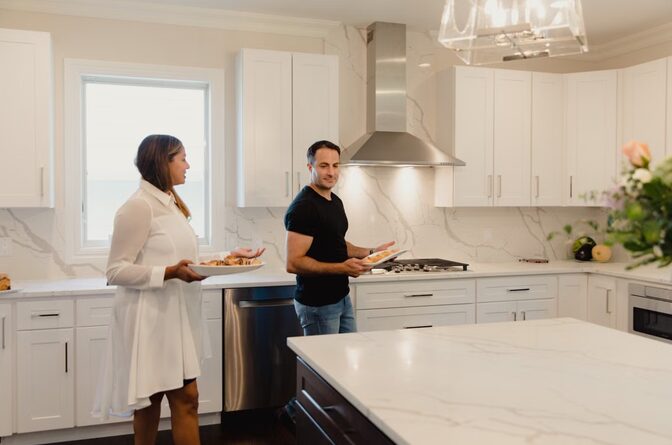
Modern living requires homes that can adapt to different activities throughout the day. Many people now work remotely, spend more time indoors, and need spaces that can serve multiple purposes. Flexible rooms, open layouts, and adaptable designs are becoming important elements in residential planning. Resources like HOME & SMART explore how technology, sustainability, and thoughtful design are influencing the future of housing. As lifestyle needs continue to change, homes are being developed with features that provide greater comfort, efficiency, and convenience for everyday living.
The Growing Demand for Sustainable Living Spaces
Environmental awareness is influencing how people think about where and how they live. More homeowners are interested in properties that support responsible living while offering long-term benefits. Sustainable design, efficient energy use, and environmentally conscious development are becoming key considerations in modern housing. Green real estate development is playing an important role in creating communities that balance environmental responsibility with comfortable living. Developers are increasingly focusing on homes that reduce resource consumption while providing practical benefits for residents. These changes reflect a broader shift toward creating homes that are prepared for future challenges.
Homes That Support Health and Well-Being
A modern home is increasingly viewed as a place that supports physical and mental well-being. Natural lighting, improved air quality, comfortable temperatures, and peaceful environments can all influence how people feel in their living spaces. Future homes are being designed with wellness in mind by creating environments that encourage relaxation, productivity, and healthier routines. Features that promote comfort are becoming just as important as traditional elements such as size and appearance.
The Rise of Flexible and Multi-Purpose Spaces
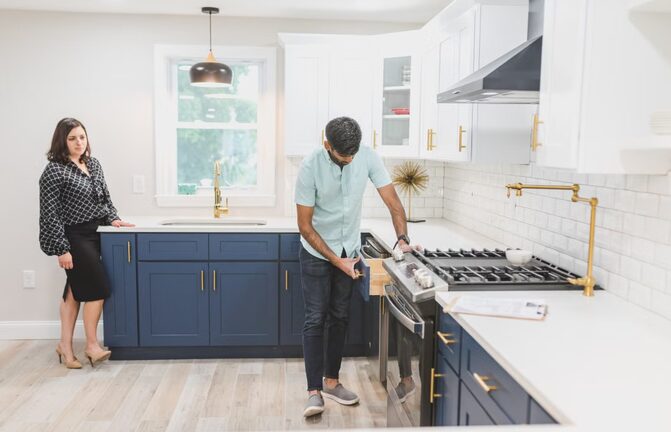
The traditional idea of separate rooms with specific functions is changing. Today’s homeowners often need spaces that can transform depending on their needs. A room may serve as an office during the day, a study area in the afternoon, and a relaxation space in the evening. Flexible home design allows properties to remain useful as lifestyles change. This approach is especially valuable for families, remote workers, and people who want homes that can adjust over time without requiring major renovations.
Technology to Enhance Everyday Home Experiences
Technology is becoming a natural part of modern homes, helping residents manage their spaces more effectively. Automated systems, connected devices, and digital tools can improve convenience while helping homeowners understand how their homes operate. The future of residential design is not about adding technology for its own sake. Instead, it focuses on using innovation to solve everyday challenges, improve comfort, and create more efficient living environments.
Communities as Part of the Home Experience
The future of housing is not only about individual properties. The surrounding environment also plays a major role in how people experience their homes. Modern developments are increasingly focused on creating communities with shared spaces, green areas, and features that encourage connection between residents. Well-designed neighborhoods can improve quality of life by making everyday activities more convenient and enjoyable. Access to outdoor spaces, local services, and community facilities is becoming an important factor in how people choose where to live.
Homes That Are Ready for the Future
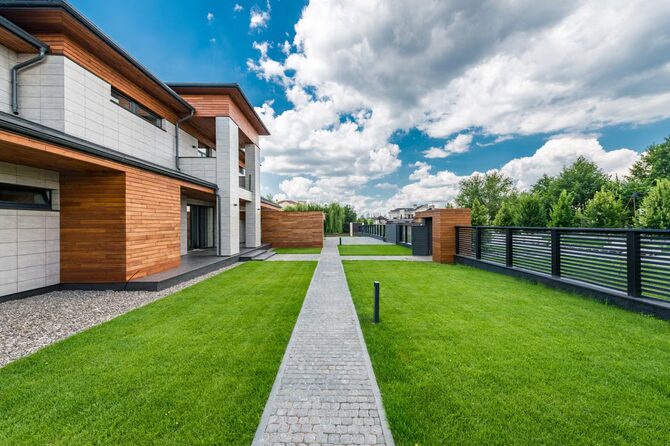
The homes of tomorrow need to respond to changing expectations and long-term challenges. Durability, adaptability, and responsible design are becoming essential parts of residential development as people look for properties that provide lasting value. Future-ready homes are designed with flexibility in mind, allowing them to evolve alongside the people who live in them. This approach creates spaces that remain useful, comfortable, and valuable for many years.
The future of housing is being shaped by changing lifestyles, new technologies, and a greater focus on responsible living. Modern homes are becoming more than physical structures because they are designed to support the way people work, relax, and connect. As residential design continues to evolve, the homes of tomorrow will focus on creating better living experiences for everyone.
…






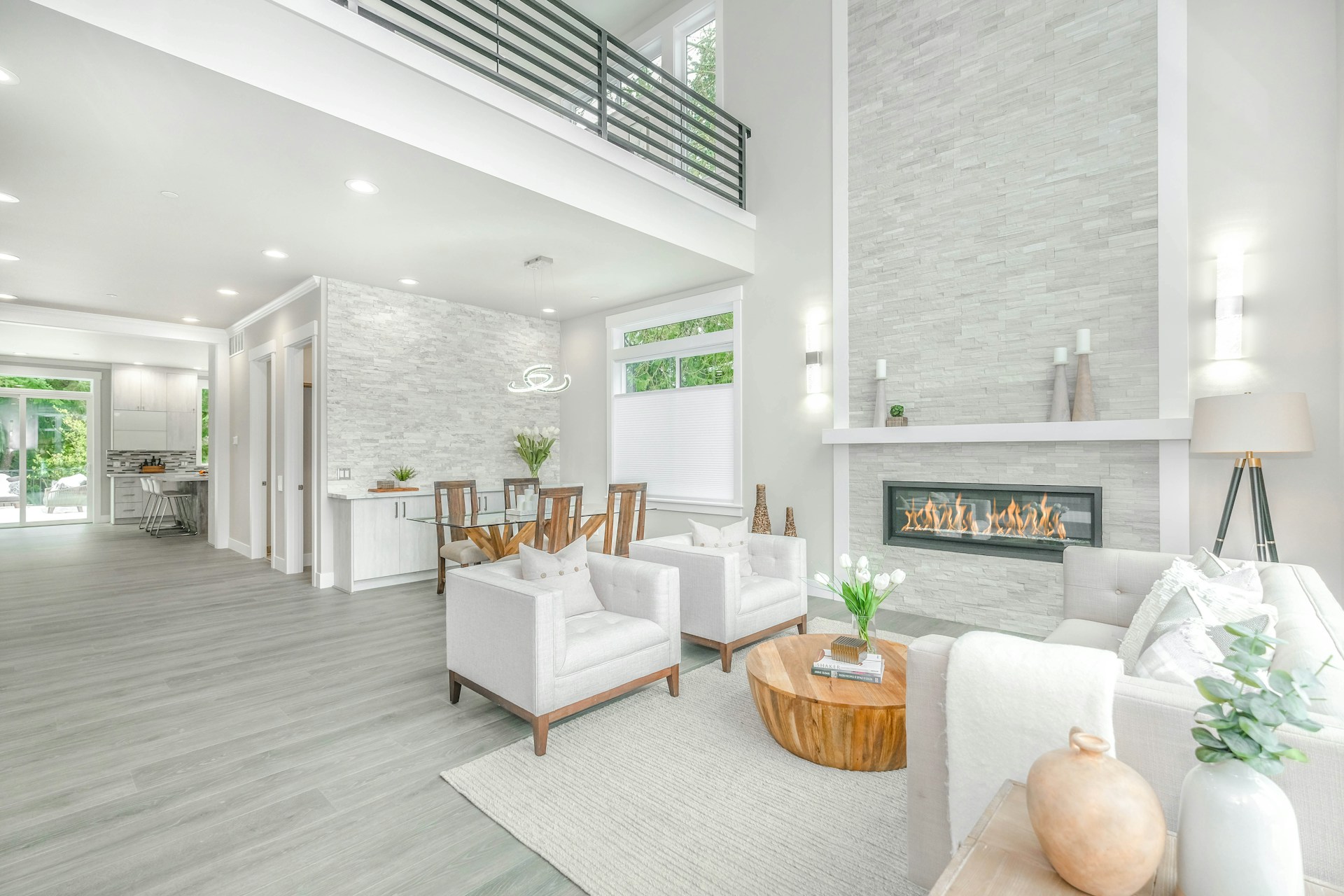


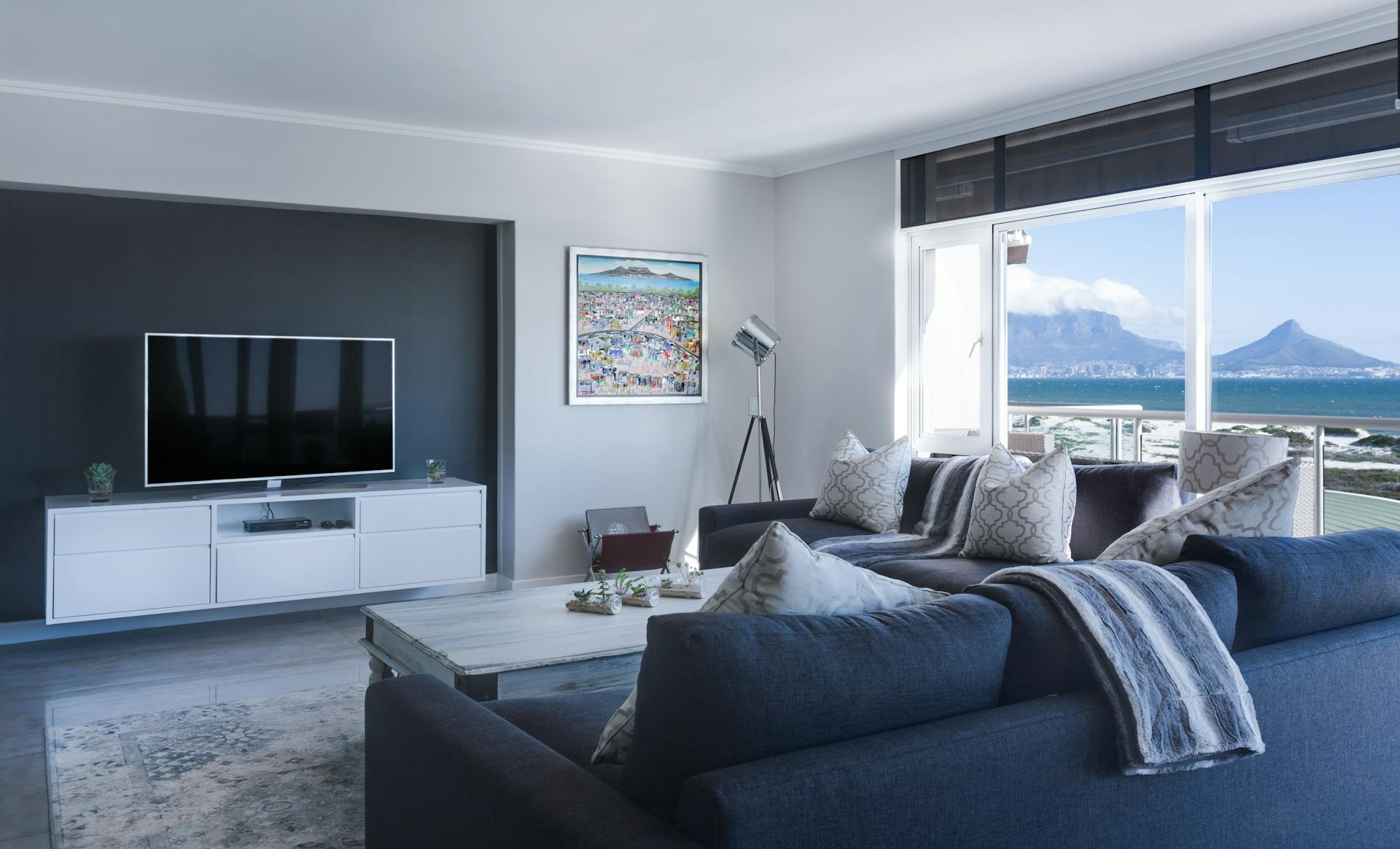
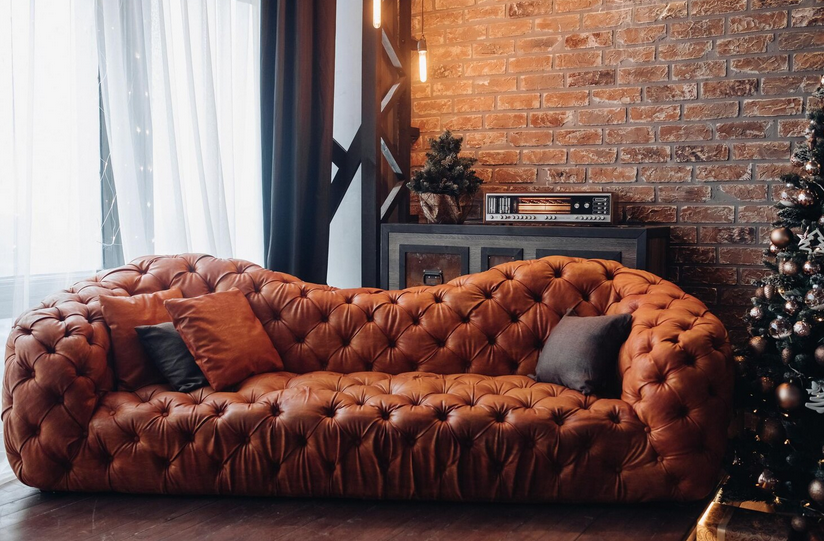 The sofa is often the focal point of a living room. Opt for one that combines comfort with style. Unique designs or bold colors can add personality to the space. Deep seating and high-quality cushions ensure long-lasting comfort. Sectionals are ideal for larger rooms, while a well-chosen loveseat or two matching chairs can work in smaller spaces. A sofa should invite relaxation while enhancing the overall design.
 Finally, accessorizing completes the living room. Artwork, vases, plants, and decorative objects bring personality to the space. Grouping items thoughtfully on coffee tables, shelves, or consoles ensures cohesion. Accessories complement the furniture without overwhelming it. These personal touches create a unique environment where style meets comfort, giving the room a polished, elevated look.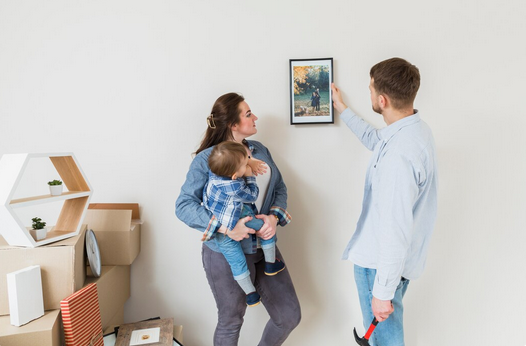
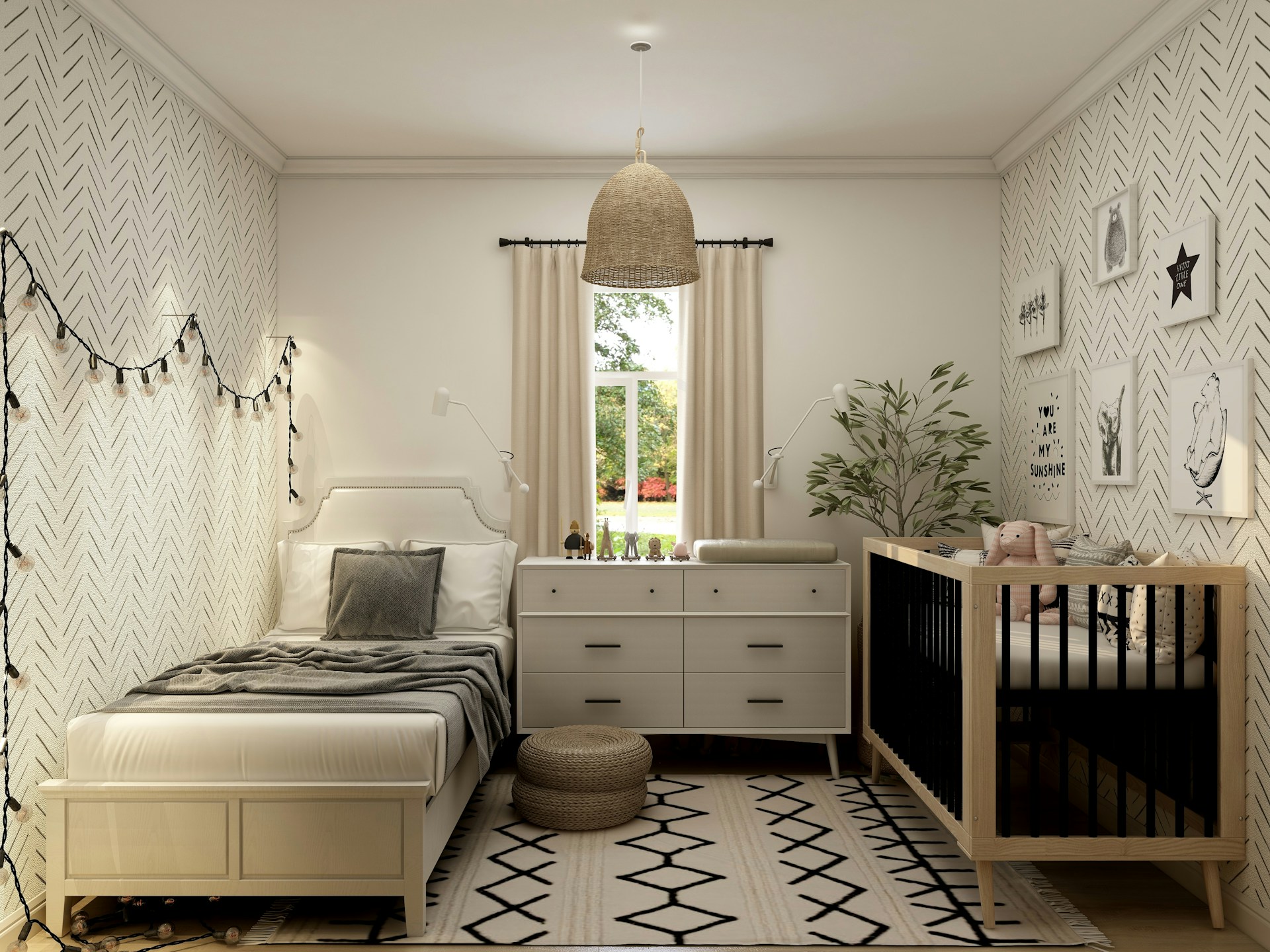 Children often feel the disruption of a move more strongly than adults. To ease the adjustment, start by setting up their bedrooms first. Surround them with familiar bedding, toys, and décor so the new space feels safe and recognizable. Keep routines like bedtime and meals as consistent as possible to provide a sense of normalcy. If they’re old enough, involve them in unpacking or decorating their rooms—it gives them ownership and confidence in the new environment.
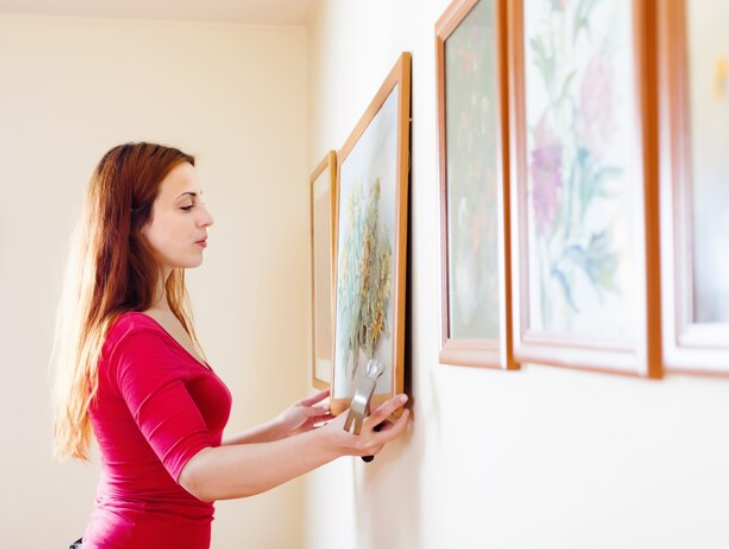
 As boxes disappear, start making the space your own. Hang family photos, put up artwork, or plant flowers together in the yard. These personal touches turn a house into a home and help reinforce your family’s identity in the new space. You don’t need to rush major renovations—start small with comforting and familiar items that bring joy. Over time, these layers of personalization will make the home feel naturally yours.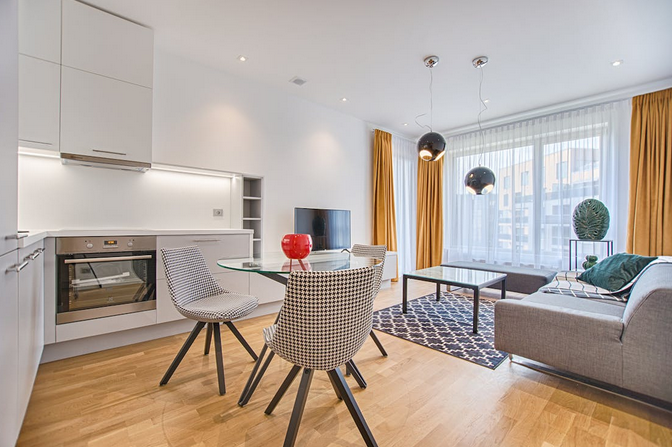

 The kitchen is often called the heart of the home, and for good reason. It’s where families gather, meals are prepared, and memories are made. Investing in a kitchen renovation can breathe new life into this essential space. Consider updating cabinets with modern finishes or adding an eye-catching backsplash that reflects your personal style. Open shelving offers both functionality and a chance to showcase your favorite dishes. Upgrading appliances not only enhances efficiency but also elevates the overall aesthetic. Sleek designs combined with energy-efficient technology appeal to savvy homeowners.











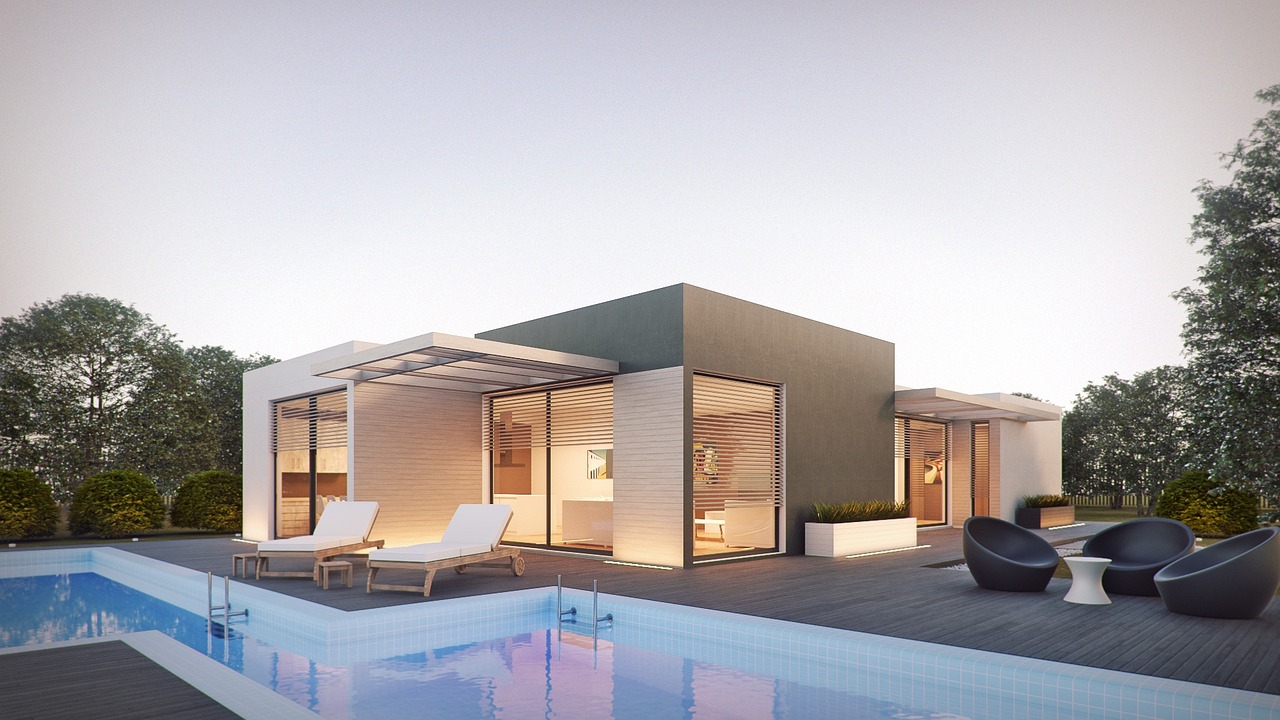

 Prefabricated


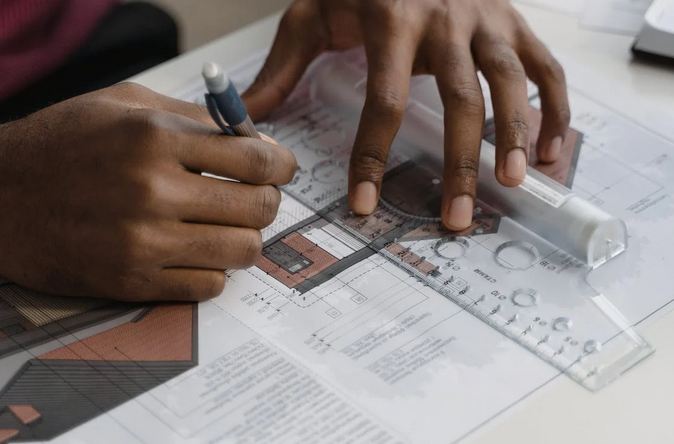
 Before you start searching for an architect, it’s essential to have a clear understanding of your project’s goals and objectives. Are you building a new home, renovating an existing one, or adding an extension? What is your budget, timeline, and preferred architectural style? Knowing your project’s specifics will help you communicate effectively with potential architects and find one who aligns with your vision.

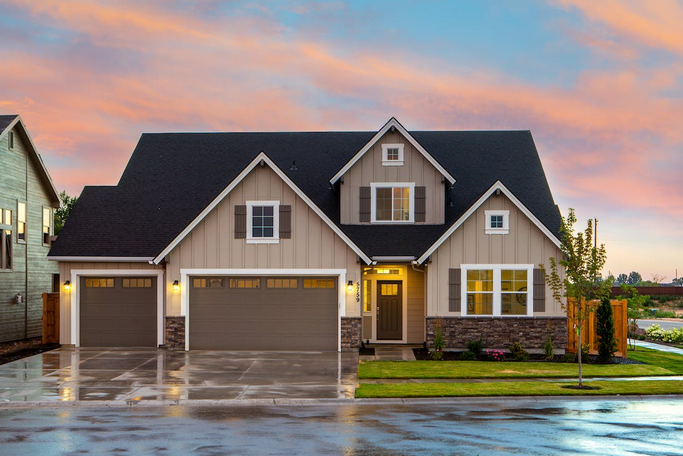
 An efficient roof maintains a comfortable indoor environment and reduces energy costs. During roof inspections, professionals assess the insulation and ventilation systems, ensuring they work effectively. Proper insulation prevents heat loss during winters and heat gain during summers, reducing your reliance on heating and cooling systems. Additionally, adequate ventilation helps expel excess moisture, preventing the formation of mold and mildew. Regular inspections ensure your roof functions optimally, contributing to energy efficiency and cost savings.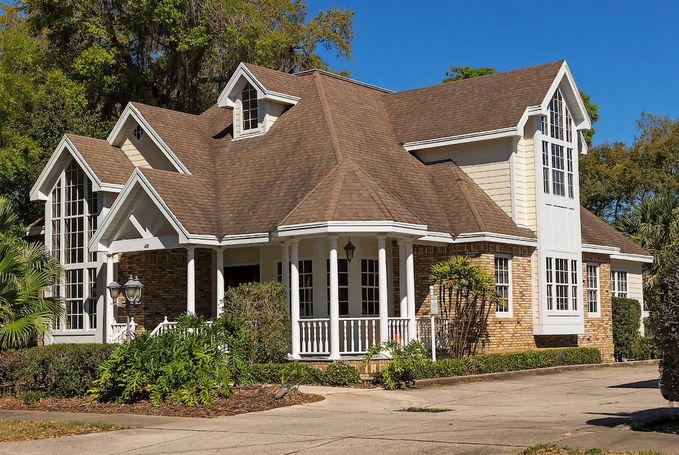

 When choosing the right real estate agent, referrals and reviews can be a great starting point. Ask friends, family members, or colleagues who have recently bought or sold the property for recommendations. A word-of-mouth referral can give you an idea of how the agent works with clients and their strengths. Online reviews are another excellent resource to consider when selecting a real estate agent. It’s important to remember that not all online reviews are trustworthy – some may be fake or written by biased parties. Make sure you read through several different sources before making any decisions based on online feedback alone.
 One meeting may not be enough when choosing the right real estate agent. Meeting with several agents is important to understand their experience, communication style, and overall fit for your needs. During these meetings, take note of how each agent presents. Are they
  When choosing the right
 One of the main reasons you should consider buying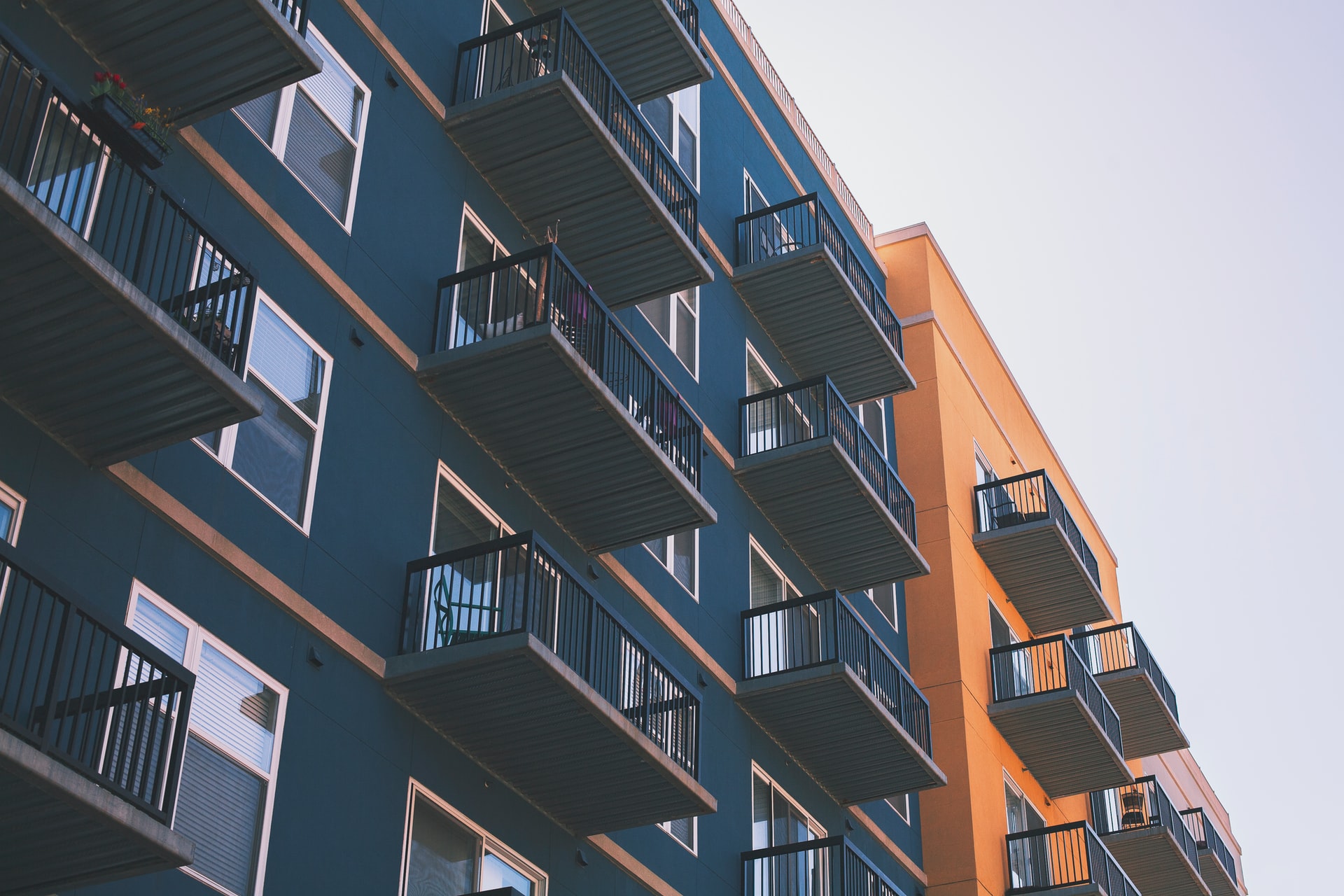
 The location is one of the most important things to consider when looking for an apartment. You want to make sure you find a place that is in a safe neighborhood and is close to the things you need. If you’re working, you want to ensure the apartment is close to public transportation. If you have children, you want to make sure there are good schools in the area. This is so important when finding an apartment.
 Another important thing to consider when looking for an apartment is your budget. You want to make sure you find a place that is affordable and that meets your needs. There are many apartments out there that are overpriced and not worth the money. You want to make sure you find a place that is in your price range and has everything you need.
 Lastly, when looking for an apartment, you want to make sure you think about your needs. You need to consider the size of the place, the number of bedrooms, and the amenities that are important to you. If you have a pet, you want to make sure the apartment complex allows pets. You also want to make sure there is enough storage space for all of your things.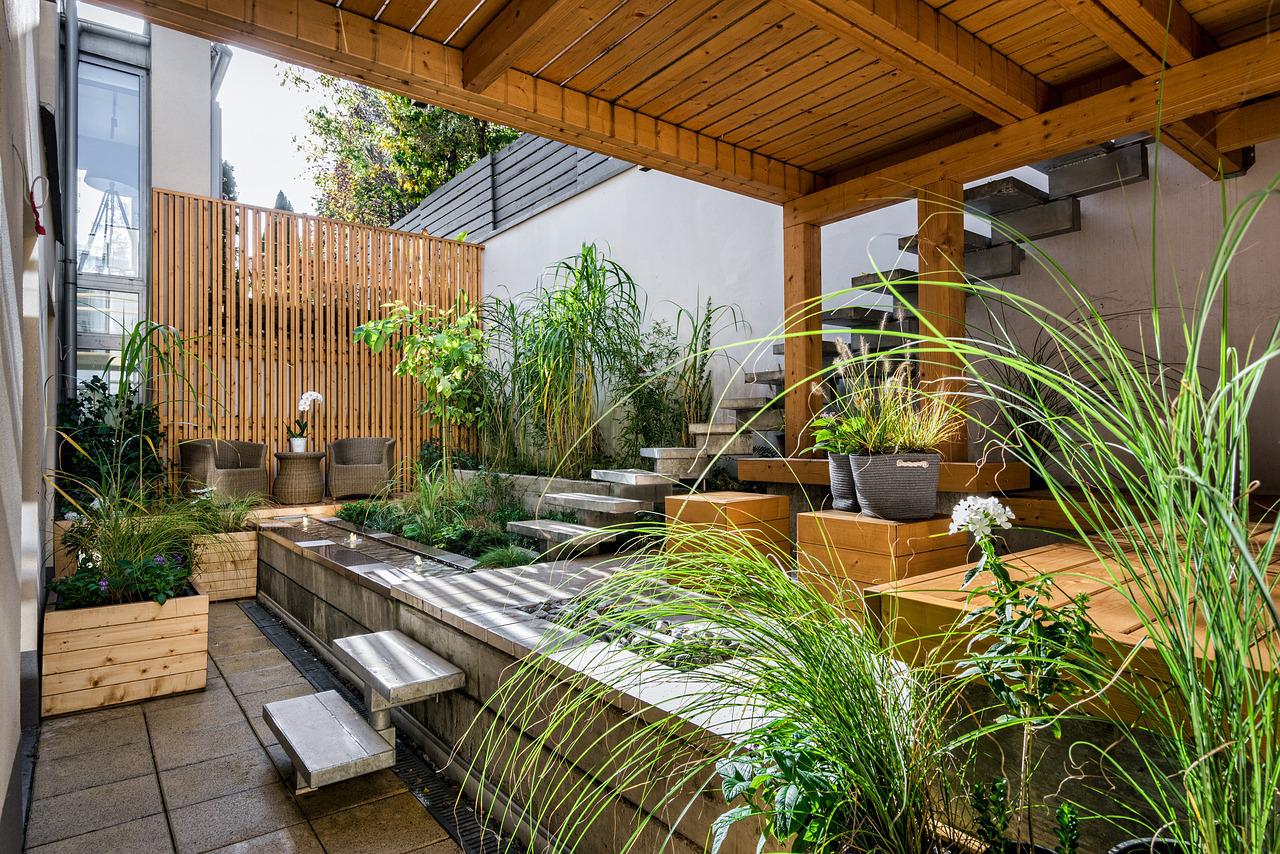

 If you’re looking to create a more cozy and romantic feel, hanging string lights is a great way. String lights are perfect for the patio because they can be used to create various looks. For example, you could use them to create a canopy of light over your dining area. Or you could use them to accentuate your patio’s features. Either way, by hanging string lights, you can create a more inviting space that will make your backyard more enjoyable.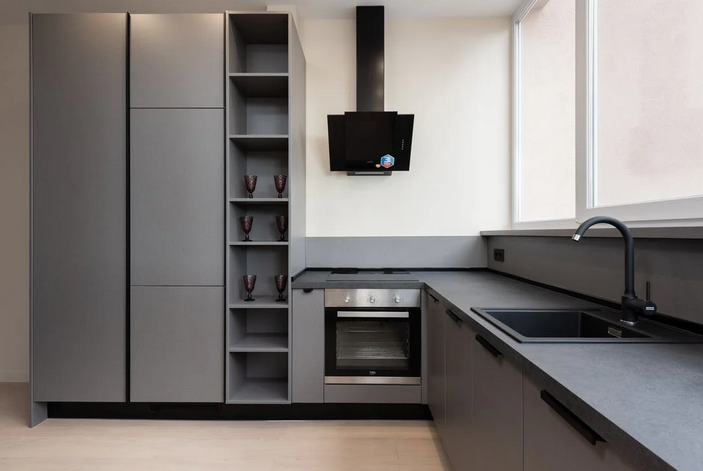
 Another vital thing to keep in mind when remodeling your kitchen is organization. This means creating a schedule and sticking to it as closely as possible. Trying to juggle too many tasks can be overwhelming, and it’s easy to get behind if you’re not careful. In addition, it’s essential to allow enough time for each task. Rushing through a remodel can lead to disaster, so be sure to take your time and do things the right way.
 Blinds also come in various colors and styles to match any home décor. Curtains sometimes have patterns or designs that can be difficult to reach. Blinds are available in many different colors, so you can easily find a style that matches your existing décor.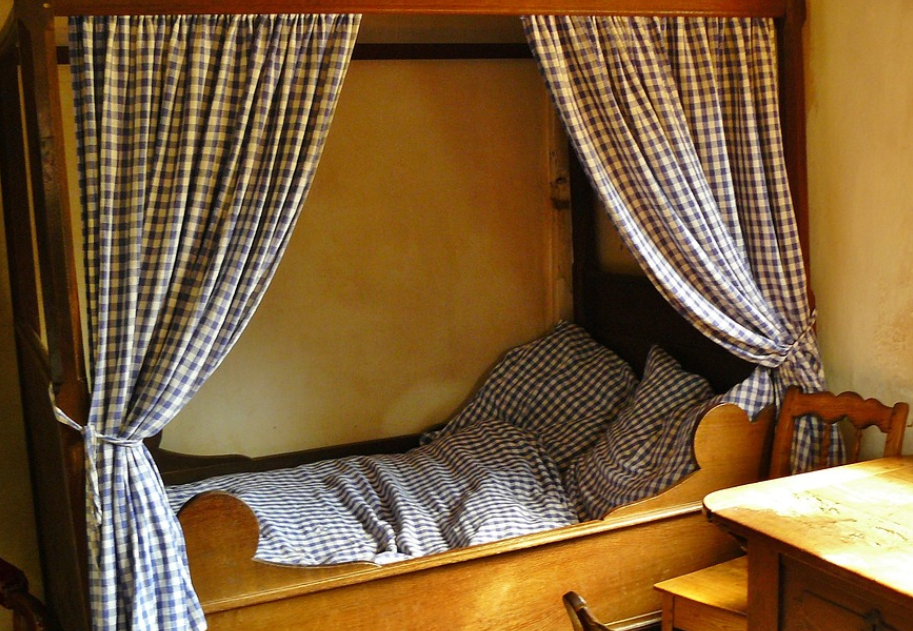
 A straightforward way to create a vintage look in your bedroom is to set up a focal point. It could be anything from a beautiful antique bed to a statement chandelier. By establishing a focal point, you can help to create a more cohesive and stylish room. If you’re looking for an easy way to add some vintage flair to your bedroom, start by focusing on your furniture and decor. You might want to try using some old-fashioned accessories in your bedroom. Things like a vintage alarm clock, an antique mirror, or a rustic lantern can help to set the mood and create a more inviting focal point.
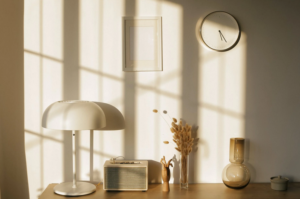 If you’re looking for an easy way to add some personality to your bedroom, try adding in some vintage knickknacks. These little pieces can help to brighten up a room and inject a touch of whimsy. You can find vintage trinkets at flea markets, antique stores, or online.