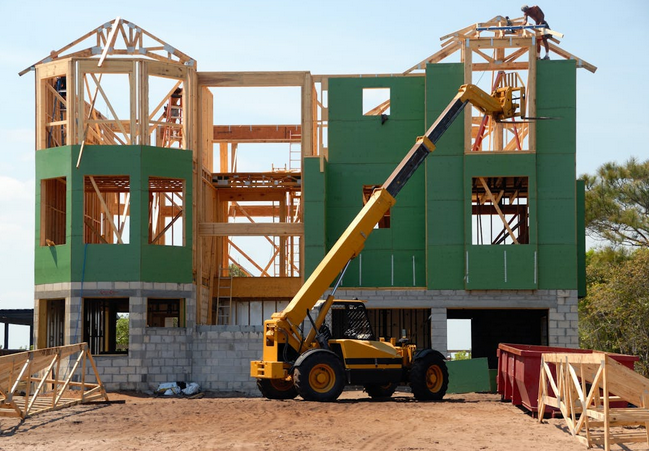
Homes That Upgrade Themselves: Welcome to Self-Evolving Construction
Imagine a home that doesn’t just sit there—but learns from your habits, adjusts to your environment, and even upgrades itself over time. This isn’t a sci-fi fantasy. It’s the next frontier in residential construction: self-evolving homes. While smart homes have already given us app-controlled lighting, security systems, and thermostats, self-evolving construction takes things to a whole new level. These homes adapt physically and digitally, improving efficiency, comfort, and longevity without requiring constant upgrades or renovations from the homeowner. Let’s explore how this future is taking shape—quite literally.
Adaptive Materials That Think for Themselves
The foundation of self-evolving construction lies in the materials—literally. New developments in responsive and “smart” building materials mean walls, roofs, and windows can now adjust based on conditions like temperature, sunlight, or humidity. According to News.de, innovations in materials science are already allowing homes to self-regulate by changing their structure. For example, phase-change materials can absorb and release heat as needed, keeping the indoor climate stable. Some experimental buildings are even using living materials, like bio-concrete that seals its own cracks with bacteria-based healing agents.
Homes That Learn Your Habits
It’s one thing to have a house that responds to commands; it’s another for it to anticipate what you need. Using artificial intelligence, homes are now capable of learning from your daily routines and adjusting automatically. Whether it’s lowering the shades when the sun gets too bright or preheating the shower right before you wake up, your home will begin to “know” you over time. These systems learn not just from individual behavior, but also from data trends in energy use, occupancy, and even local weather patterns. The result? A living environment that becomes more comfortable and efficient the longer you live in it.
Modular Systems for Continuous Upgrades
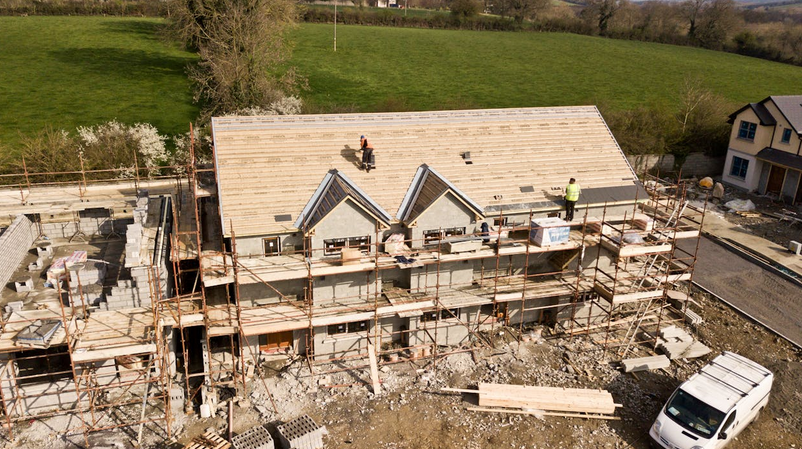
Self-evolving homes are also about flexibility. Rather than being built once and fixed forever, they’re designed with modular systems that can be swapped out or upgraded with ease. Imagine being able to slide out your kitchen counter like a cartridge and replace it with a more efficient version—or updating your walls with panels that include better insulation or embedded tech. This modular approach means your home evolves as your needs do, without needing a full renovation every few years.
Energy Systems That Adapt in Real Time
Energy efficiency isn’t a static number anymore. In self-evolving homes, your energy system—whether it’s solar panels, battery storage, or heating/cooling—can adjust to your habits, seasonal shifts, and even grid demands. Solar panels might rotate slightly during the day to optimize sunlight exposure. Your battery system could learn to store more energy on days when usage is historically higher. Smart HVAC systems might redirect airflow only to rooms in use, reducing waste and cutting costs without sacrificing comfort.
Maintenance That Manages Itself
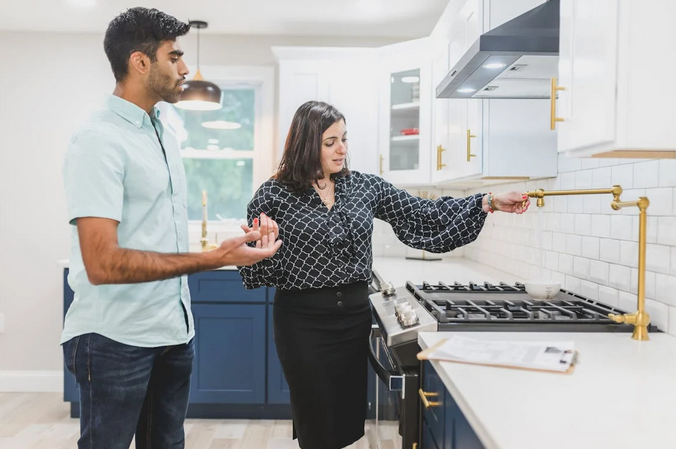
Nobody loves home maintenance—but what if your house could handle it for you? With embedded sensors and predictive analytics, self-evolving homes can monitor their own systems, alert you to issues before they become problems, and sometimes fix themselves. For instance, a leak-detection system could shut off the water before damage spreads. A filter system might notify you when it’s time for replacement—or even auto-order a new one. In time, we’ll likely see automated repair systems or drones that handle small maintenance tasks without any homeowner involvement.
Self-evolving construction is reshaping what it means to live in a home. No longer static structures, homes of the future will be dynamic, responsive, and ever-improving. From adaptive materials and intelligent systems to modular upgrades and self-maintenance, this new wave of architecture prioritizes comfort, sustainability, and ease. You won’t just live in your home—it will live with you, learning, adapting, and evolving. The future of housing? It’s already under construction.