The Homes of Tomorrow: How Changing Lifestyles Are Redefining Modern Living Spaces
The idea of what makes a home has changed significantly over the years. A house is no longer just a place to sleep, eat, and relax. Today, people want living spaces that support their daily routines, personal goals, and changing lifestyles. Whether it is creating a comfortable work environment, improving wellness, or reducing environmental impact, modern homeowners are looking for homes that adapt to their needs. The homes of tomorrow are being shaped by new expectations around convenience, sustainability, and flexibility. As families, professionals, and communities evolve, residential spaces are also transforming to provide better experiences. From thoughtful layouts to innovative features, the future of housing is focused on creating places that truly support the way people live.
Homes That Are Designed Around Modern Lifestyles
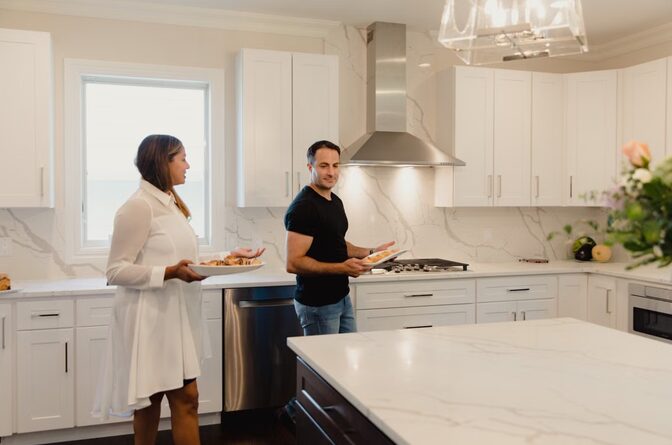
Modern living requires homes that can adapt to different activities throughout the day. Many people now work remotely, spend more time indoors, and need spaces that can serve multiple purposes. Flexible rooms, open layouts, and adaptable designs are becoming important elements in residential planning. Resources like HOME & SMART explore how technology, sustainability, and thoughtful design are influencing the future of housing. As lifestyle needs continue to change, homes are being developed with features that provide greater comfort, efficiency, and convenience for everyday living.
The Growing Demand for Sustainable Living Spaces
Environmental awareness is influencing how people think about where and how they live. More homeowners are interested in properties that support responsible living while offering long-term benefits. Sustainable design, efficient energy use, and environmentally conscious development are becoming key considerations in modern housing. Green real estate development is playing an important role in creating communities that balance environmental responsibility with comfortable living. Developers are increasingly focusing on homes that reduce resource consumption while providing practical benefits for residents. These changes reflect a broader shift toward creating homes that are prepared for future challenges.
Homes That Support Health and Well-Being
A modern home is increasingly viewed as a place that supports physical and mental well-being. Natural lighting, improved air quality, comfortable temperatures, and peaceful environments can all influence how people feel in their living spaces. Future homes are being designed with wellness in mind by creating environments that encourage relaxation, productivity, and healthier routines. Features that promote comfort are becoming just as important as traditional elements such as size and appearance.
The Rise of Flexible and Multi-Purpose Spaces
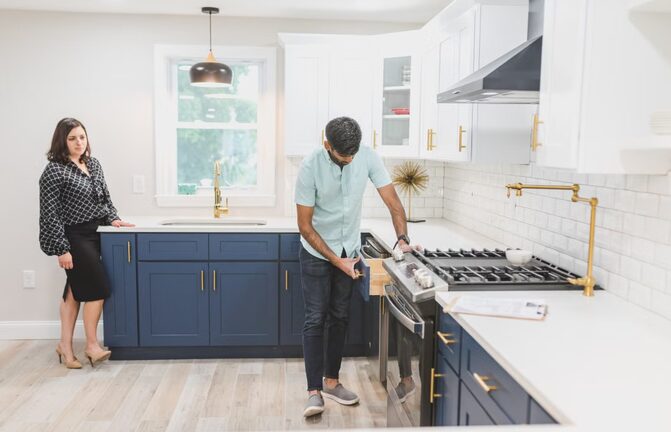
The traditional idea of separate rooms with specific functions is changing. Today’s homeowners often need spaces that can transform depending on their needs. A room may serve as an office during the day, a study area in the afternoon, and a relaxation space in the evening. Flexible home design allows properties to remain useful as lifestyles change. This approach is especially valuable for families, remote workers, and people who want homes that can adjust over time without requiring major renovations.
Technology to Enhance Everyday Home Experiences
Technology is becoming a natural part of modern homes, helping residents manage their spaces more effectively. Automated systems, connected devices, and digital tools can improve convenience while helping homeowners understand how their homes operate. The future of residential design is not about adding technology for its own sake. Instead, it focuses on using innovation to solve everyday challenges, improve comfort, and create more efficient living environments.
Communities as Part of the Home Experience
The future of housing is not only about individual properties. The surrounding environment also plays a major role in how people experience their homes. Modern developments are increasingly focused on creating communities with shared spaces, green areas, and features that encourage connection between residents. Well-designed neighborhoods can improve quality of life by making everyday activities more convenient and enjoyable. Access to outdoor spaces, local services, and community facilities is becoming an important factor in how people choose where to live.
Homes That Are Ready for the Future
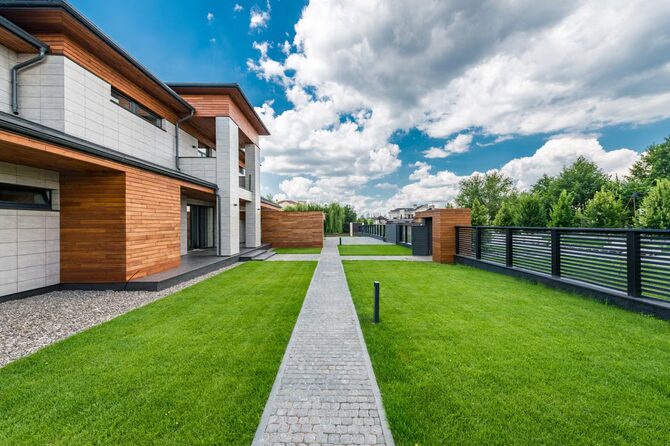
The homes of tomorrow need to respond to changing expectations and long-term challenges. Durability, adaptability, and responsible design are becoming essential parts of residential development as people look for properties that provide lasting value. Future-ready homes are designed with flexibility in mind, allowing them to evolve alongside the people who live in them. This approach creates spaces that remain useful, comfortable, and valuable for many years.
The future of housing is being shaped by changing lifestyles, new technologies, and a greater focus on responsible living. Modern homes are becoming more than physical structures because they are designed to support the way people work, relax, and connect. As residential design continues to evolve, the homes of tomorrow will focus on creating better living experiences for everyone.